
Presentation and everyday filing
Explore display books, report covers, clipboards, file bags, O/D-ring binders and board folders. Specify document fit, cover construction, pocket count, ring mechanism and closure.
Enquire about this range ↗A place for every document.
Source filing and presentation products, expanding files, zipped document bags, card holders and desk organizers. Compare formats, pockets, ring mechanisms, dimensions and packing to build a coordinated office range.
Manufacturing, product documents and order conditions depend on the model and supply route selected for your project.
Start with a product reference, intended use and estimated quantity. We bring product selection, sample questions and quotation details into one conversation.
Email your reference image ↗Choose a focused product or discuss a coordinated assortment. Each direction can be developed into a more specific model and packaging brief.
Explore display books, report covers, clipboards, file bags, O/D-ring binders and board folders. Specify document fit, cover construction, pocket count, ring mechanism and closure.
Enquire about this range ↗Review hanging files, dividers, index cards and loose-leaf pockets. Match the suspension or hole pattern, dimensions and refill material to the intended filing system.
Enquire about this range ↗Compare expanding files, handled document carriers, zipped pouches, business-document bags and receipt organizers. Define compartments, closures, handle requirements and usable document space.
Enquire about this range ↗Build business-card, credential, photo, cheque and manual-storage selections. Confirm insert dimensions, viewing arrangement, capacity and the required contact material.
Enquire about this range ↗Review staplers, sticky notes, glues, pins and staples, binder or ticket clips, scissors and utility knives. Keep the consumable fit, size, intended task and packaging clear.
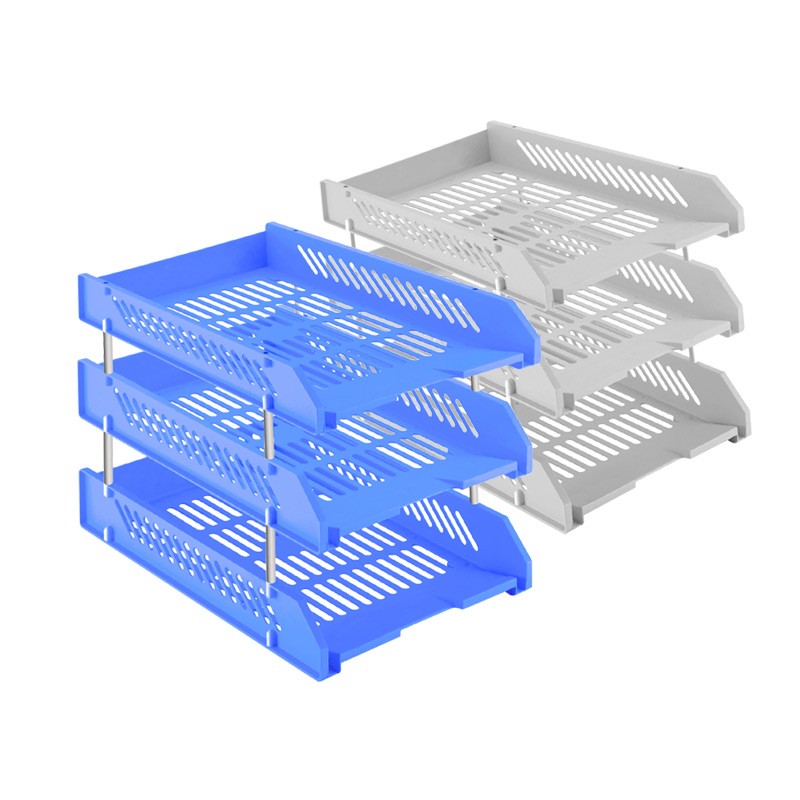
Enquire about this range ↗Coordinate pen holders, magazine files, document trays and metal-mesh organizer directions. Specify outer dimensions, compartments, assembly, finish and expected load.
Enquire about this range ↗Use these options to describe what you are buying. The public references identify your enquiry; the final model and specification are confirmed before an order.

Review paper fit, clip opening and board construction for mobile writing or document control.
A slim reference for organizing a small document selection. Confirm the meaning of page/pocket count and sheet fit.
Compare spine depth and page handling against the compact reference.
A carry-style reference with separate document sections. Confirm the closure, handle and permitted load.
Organize documents into separate indexed sections. Review label position, closure and usable compartment depth.
A leather-grain appearance direction for business-card organization; specify the actual cover material.

Choose the overall length and handle shape, then test the intended cutting task.
A smaller overall-size direction for desk supply assortments.
Separate incoming, working and completed documents on the desktop. Confirm assembly, dimensions and load requirements.
Combine upright document sections with front storage positions for small desk items.
A separate presentation-book reference with its own dimensions and pack basis.
Confirm the ring mechanism and compatible pocket refills as a matched system.
Keep the intended document format and closure requirements explicit.
Review the additional storage pocket, zip and overall profile for the desired use.
A structured document presentation direction with separate pockets.
Match the ring geometry to the intended filing and refill arrangement.
Each entry is a separate catalogue reference. Pack strings show the listed packing notation and require confirmation of unit/inner/master levels; they do not establish order minimums. Current specifications, available colours, materials and stock are confirmed by item.
Focus the sourcing conversation on the features, materials and production details that make a difference to your product range.
Start with paper dimensions and the way it will be stored or presented. Pocket count, ring geometry, expansion, closure and access each affect the appropriate product choice.
Coordinate filing, document carry, card management and desktop storage with practical stationery accessories. Keep each product’s material and specification separate.
Align retail units, inner packs and master cartons with receiving and shelf needs. Approve the packing hierarchy and carton dimensions before calculating the final mixed order.
Bring artwork, reference samples and a target cost. The available process, minimum quantity, sample charges and development scope are reviewed for the chosen option.
Provide artwork, colour preferences, branding areas and quantities to request a manufacturing and printing review. Confirm which decoration or construction changes can be offered for the chosen item.
Define document trim, pocket or compartment count, ring geometry, handle, clip, zip and closure requirements. Ask for a drawing and sample where a new size or mechanism is proposed.
Specify labels, language, barcode, warnings, unit presentation and carton marks. Request current minimums, sample terms and the production schedule for the actual specification.
Agree which product characteristics need testing and how the approved sample relates to the bulk order.
Test document fit, pocket opening, clip or ring alignment, zip travel, handles and closure retention. For refillable products, verify hole spacing and mechanism compatibility.
Request the actual resin, board, metal or coated-cover construction. Review pocket clarity, thickness, print adhesion and any archival or liquid-protection requirement with supporting evidence.
Inspect tray or magazine-file assembly, edges, finish, counts and shipping protection. Agree load requirements and inspection limits where the product will carry or store heavier contents.
Test capability is a starting point for the inspection plan. Request the method, applicable model and results needed for your order.
Use a product-and-packing schedule so pocket counts, dimensions, mechanisms and unit quantities remain clear throughout the order.
State the sales market, intended users and required files in your first enquiry. Current validity and scope are checked for the selected supplier and product; a category description does not certify every item.
Share your document requirements ↗Your sales channel changes the assortment, packaging and quality priorities. Tell us the intended use as well as the product name.
Build filing, document-carry and desktop assortments around paper formats, retail presentation and carton demand. Obtain a current specification and quote for each line.
Organize handouts, records, receipts and ongoing projects with appropriate pockets, binders, clipboards and desk storage. Specify handling and documentation requirements.
Coordinate folder or document-bag artwork with buyer-approved branding and pack contents. Review construction, decoration and schedule for the intended event or audience.
Samples, commercial terms and responsibilities are agreed for the project. Use the same product and packing specification when comparing quotations.
Product, reference image, quantity, sales market and timing.
Review configuration, materials, sample scope and relevant documents.
Agree artwork, packaging, sample, testing and inspection criteria.
Set price, payment, production, delivery and defect remedies in writing.
Practical answers about this sourcing direction, customization and the reference options. Your agreed specification and written quotation determine the actual order.
Start with the actual document dimensions, quantity and access needs. Then choose presentation pockets, ring or clip filing, an expanding file, zipped pouch or desktop storage with an appropriate closure and construction.
No. A display-book page label, a pocket count and a refill mechanism’s hole count describe different features. Confirm the exact construction and usable capacity for the selected item.
The notation describes a packing hierarchy that needs its unit levels confirmed. It is not a verified order minimum; request the current MOQ separately by item, design and configuration.
A leather-grain appearance does not identify the substrate. Specify the required cover material and request a declaration and sample for the actual card holder.
A zip and a plastic-looking cover do not establish a waterproof seal. State the expected exposure and request appropriate material and performance evidence for the chosen pouch.
Confirm the refill dimensions, hole count and spacing, ring geometry and capacity. An A4 paper label alone does not guarantee mechanism or sleeve compatibility.
Submit the selected product, artwork, materials, colour requirements, quantities and packing for feasibility review. Confirm decoration methods, sample approvals and current minimums in the quotation.
Request current terms for the selected construction and quantity. Agree sample charges, approval steps, inspection, packing and dispatch timing, with transport and destination delivery planned separately.
Factory Sourcing Hub handles this enquiry as an independent sourcing and trading service. The product route, supplier suitability, sample scope and order responsibilities are agreed for the actual project.
Send the product reference, quantities per variation, customization and packaging. Prices, minimums, sample charges and delivery dates are confirmed in a current quotation; the page is not a live inventory or price feed.
Yes. State whether you need a reference sample, a customized sample or development work. Agree the sample cost and shipping, approval specification, inspection plan and remedy for non-conforming goods before the bulk order.
Reference images, drawings, logo artwork and a product list are useful. Include quantities, the intended users and sales market, packaging, required documents and timing. After submitting the form, email attachments to kunhuow@gmail.com with your enquiry reference.
A reference picture or a short description is enough to begin. Add the details you already know; the optional fields help make the follow-up more useful.
Download the enquiry checklist ↓
Independent sourcing and trading service. Supplier choice, service costs and order conditions are discussed for your project.
Product selection, customization, samples and quotation enquiries.
Compare separate product ranges and prepare a brief that fits your assortment.

Build a coordinated office and school organisation range with document bags, folders, binders, expanding cases, trays, pen holders and desktop drawers. Match document size, material, closure and packing to the way each item will be used.
Explore this service ↗
Build a coordinated school, office or gift collection across notebooks, writing tools, filing products, desk accessories and bags. Start with a practical assortment, then define original artwork, material specifications and packing for each item. Drinkware and plush-accessory directions can be assessed alongside the core stationery range.
Explore this service ↗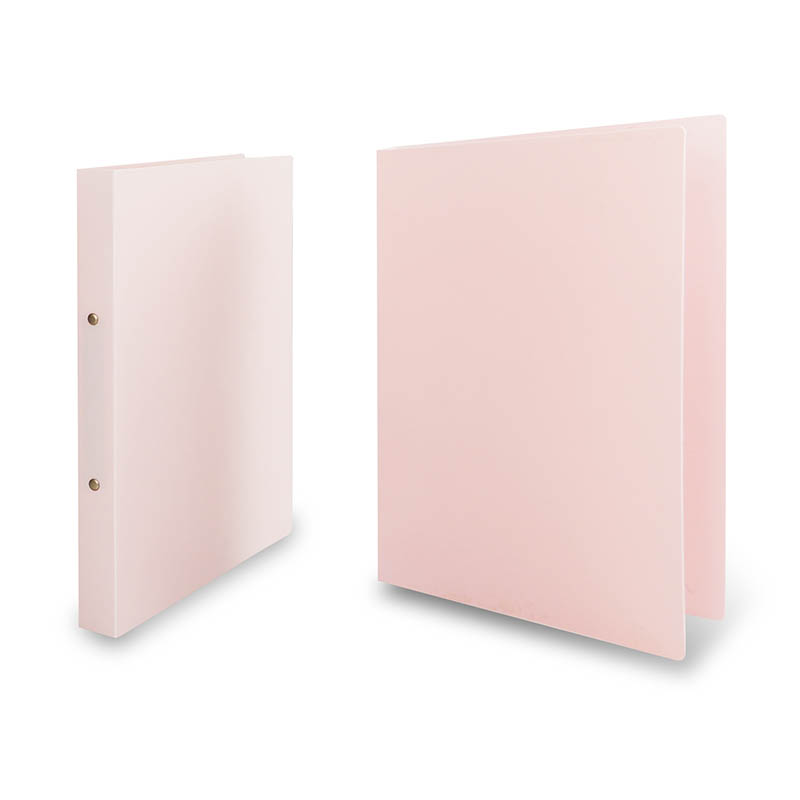
Develop a coordinated stationery range across writing tools, school essentials, paper, filing, desk accessories and bags. Bring the product list, artwork, packing and inspection requirements into one sourcing brief, with each selected item and its order conditions confirmed separately.
Explore this service ↗
Develop office and student notebooks, diary formats, paper extras and selected workspace organizers. Compare paper, binding, cover decoration and packaging alongside clipboards, storage products and office-bin requirements.
Explore this service ↗Information basis: published product information reviewed . Reference details support a sourcing discussion. Current supply, samples and product-specific documents are confirmed for the selected item.