
Document bags & sleeves
Zipper, mesh and snap-closure bags alongside document sleeves and printed PP variants. Specify actual document dimensions, material thickness, seam construction and closure for the intended use.
Enquire about this range ↗Every document in place. From school bag to desktop.
Build a coordinated office and school organisation range with document bags, folders, binders, expanding cases, trays, pen holders and desktop drawers. Match document size, material, closure and packing to the way each item will be used.
Manufacturing, product documents and order conditions depend on the model and supply route selected for your project.

Start with a product reference, intended use and estimated quantity. We bring product selection, sample questions and quotation details into one conversation.
Email your reference image ↗Choose a focused product or discuss a coordinated assortment. Each direction can be developed into a more specific model and packaging brief.
Zipper, mesh and snap-closure bags alongside document sleeves and printed PP variants. Specify actual document dimensions, material thickness, seam construction and closure for the intended use.
Enquire about this range ↗Illustrated handle bags, expanding carriers and small document envelopes provide school-organisation directions. Confirm compartments, handle, closure, paper fit and artwork permissions on the selected item.
Enquire about this range ↗Flat, report and sliding-bar filing directions for presentation and everyday paperwork. Define the paper format, mechanism, cover, thickness and required sheet capacity before requesting a suitable sample.
Enquire about this range ↗PP covers with clip or two-, three- and four-ring mechanisms. Ring count does not define spacing or capacity; match the mechanism and inserts using a drawing or approved sample.
Enquire about this range ↗Fixed-pocket presentation books and business-card files for document display and card organisation. Specify the usable pocket dimensions, count, film and cover rather than assuming a standard configuration.
Enquire about this range ↗Index dividers, chest/ID-card products, binding covers, binding clips and clipboards complement the filing range. Agree tab layout, holes, material and fit for each component.
Enquire about this range ↗Portable multi-section cases, box files and hanging-folder directions. Define compartment count, closure, handle and document clearance; confirm suspension geometry for hanging files.
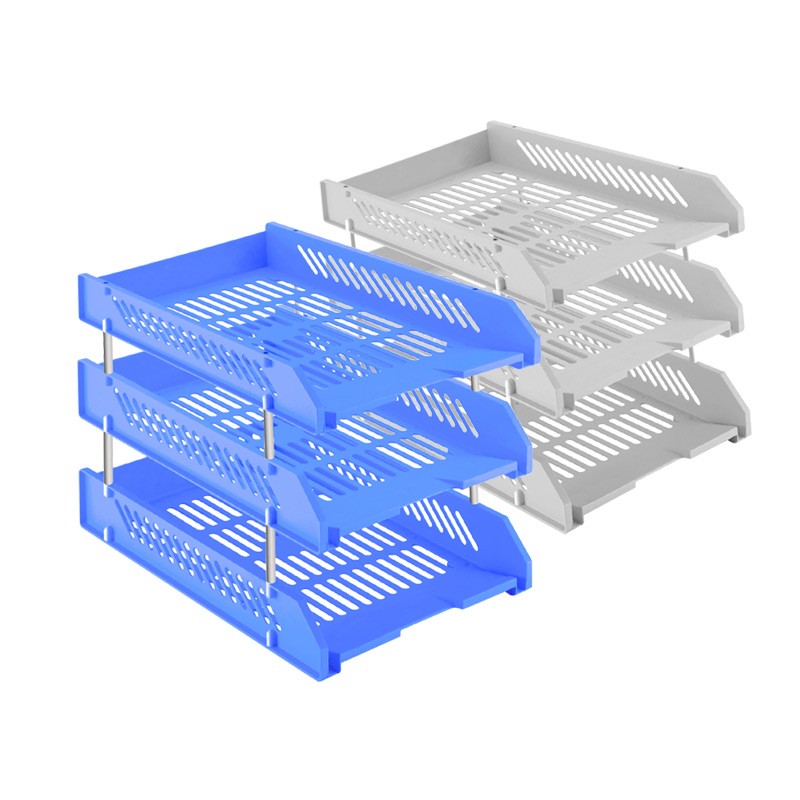
Enquire about this range ↗Two- and three-tier trays plus document baskets and magazine/file racks. Compare actual ABS or PS construction, footprint, tiers and assembly rather than choosing from format names alone.
Enquire about this range ↗Multi-compartment, tape-seat and rotary pen-holder directions provide small-item organisation. Specify each compartment and included accessory; decorative pens or tape rolls are not automatically supplied.
Enquire about this range ↗PS desktop drawer references include three-, four- and six-drawer versions with selected lock variants. Confirm internal clearance, drawer movement, packing and intended loads on the chosen model.
Enquire about this range ↗Waste bins, hanging shelves and card racks offer additional office-organisation directions. Identify mounting, dimensions and included fittings for a project-specific enquiry.
Enquire about this range ↗Plastic buckles and metal ring mechanisms are catalogue accessories. PP sheet and film are additional recorded directions; dimensions, material grade, mounting and current supply scope need confirmation.
Enquire about this range ↗Use these options to describe what you are buying. The public references identify your enquiry; the final model and specification are confirmed before an order.
A rigid two-tier desk-tray reference for an A4 filing brief. Confirm usable clearance, assembly and the actual packing; older packing information differs.
A separate larger-format PS tray reference. Confirm the dimension axes and document clearance with a drawing rather than treating all two-tier trays as interchangeable.
A portable compartmented-file reference with a handle and closure. Approve the actual usable sections and document fit before defining the final product description.
An illustrated school-carrier direction with offset-printed PP. Confirm the two-layer construction, selected artwork rights and actual compartment layout on a sample.
A rigid PP clip-file reference with a top clip. Catalogue and older online dimensions differ, so the current construction needs a single approved specification.
A coloured-cover binder reference for an identified insert system. Confirm ring spacing, mechanism capacity and the usable document dimensions before combining it with sleeves.
A small desktop organiser reference for pens and other stationery. Check compartment geometry and included contents against the intended desk assortment.
A pen-holder direction incorporating a tape-seat feature. Confirm accepted tape dimensions, cutting arrangement and whether a roll is included in the offer.
A desktop cabinet reference with a moulded PS shell and lock variant. Review drawer clearance and operation; a lock does not establish a security rating.
A same-footprint cabinet direction using shallower drawers. Confirm usable drawer space, intended load, closure and the final colour and packing specification.
A component reference for binder development or a defined replacement brief. Confirm mounting holes, finish and fit; it is not a universal replacement mechanism.
Dimensions, materials and pack counts are selected catalogue references. Agree one current specification for the selected model, including actual compartments, usable internal clearance, assembly, colour and packing. Order minimums, sample costs, production time and any load or locking-performance requirements are confirmed in the current offer. Category illustrations show the range rather than exact supplied products.
Focus the sourcing conversation on the features, materials and production details that make a difference to your product range.
Portable cases, sleeves, binders, trays and drawers can form one buying programme while keeping each item clear. Match paper format, usable clearance, pocket and ring geometry so documents move between the selected products without an assumed fit.
Flexible PP filing and rigid ABS or PS desktop products offer different construction routes. Use the selected material, cover thickness, closure or mechanism and dimensions in the specification; a category name alone does not establish durability or performance.
School carriers and expanding cases support movement, while racks, trays, pen holders and drawer cabinets support storage. Build the assortment around actual tasks and pack each component clearly so a quotation reflects the intended range.
Bring artwork, reference samples and a target cost. The available process, minimum quantity, sample charges and development scope are reviewed for the chosen option.
OEM/ODM is a recorded service direction. Describe the product construction, colour, buyer-owned artwork and intended presentation, then agree design scope, proof stages, tooling feasibility, fees and minimums for that item.
Define document dimensions, pocket count, ring or clip mechanism, closure, handle and usable depth. Confirm which existing constructions meet the brief before proposing changed geometry or a newly tooled part.
Specify colours and quantity per model, bag or colour-box presentation, barcode, language and carton protection. Historical packing counts are references, with the actual retail/inner/carton configuration approved in the current offer.
Agree which product characteristics need testing and how the approved sample relates to the bulk order.
Check actual document fit, material thickness, seams, pockets, zipper or snap operation and edge finish. Test the selected binder with the intended inserts and agree acceptance limits for the required use.
Review assembly, stability, tray clearance, rack partitions and pen-holder compartments. For drawer units, check movement, usable space and locking; agree intended loads and checks without assuming an undocumented rating.
Approve artwork, item counts, colour, labels and included accessories against the selected sample. Confirm transport protection and an agreed inspection scope, with model-specific drawings where components or mechanisms must fit.
Test capability is a starting point for the inspection plan. Request the method, applicable model and results needed for your order.
Request a current specification and supporting evidence for the selected material, construction, intended users and destination market. Review complete certificates and test reports for their scope, issuing body, validity and applicable model.
State the sales market, intended users and required files in your first enquiry. Current validity and scope are checked for the selected supplier and product; a category description does not certify every item.
Share your document requirements ↗Your sales channel changes the assortment, packaging and quality priorities. Tell us the intended use as well as the product name.
Build coordinated filing and storage ranges with clear document sizes, constructions and quantities per model. Keep material, pocket count, mechanism and packing requirements explicit for each item.
Match desk footprints, drawer clearance, rack partitions and portable-case contents to the actual workspace. Request samples and agreed functional checks for the intended document-handling tasks.
Develop colours, artwork and packs around selected existing products. Confirm OEM/ODM scope, licensing, minimums, samples and carton protection before planning a new branded assortment.
Samples, commercial terms and responsibilities are agreed for the project. Use the same product and packing specification when comparing quotations.
Product, reference image, quantity, sales market and timing.
Review configuration, materials, sample scope and relevant documents.
Agree artwork, packaging, sample, testing and inspection criteria.
Set price, payment, production, delivery and defect remedies in writing.
Practical answers about this sourcing direction, customization and the reference options. Your agreed specification and written quotation determine the actual order.
The documented range spans bags, sleeves, report folders, binders, display books, dividers, ID products, expanding cases, archive and hanging files, binding supplies, clipboards and desktop storage. Accessories and PP material directions need their own specifications.
No. Flexible filing examples use PP, while selected rigid trays, pen holders and cabinets use ABS or PS. Confirm the material and thickness for the exact model instead of transferring one item’s description to another.
It identifies a format direction, not the full usable clearance. Check the actual paper dimensions, covers or sleeves, pocket openings, mechanism and drawer space against the selected sample or drawing.
The selected catalogue case uses a thirteen-layer description, while other exhibitor wording uses pockets. Confirm the actual compartments, divider arrangement, usable depth and closure before approving the specification.
No. Ring count alone does not determine fit. Match hole pattern, spacing, mechanism dimensions, usable sheet size and capacity, then test the intended inserts in the actual binder sample.
OEM/ODM and product-appearance enquiries are documented directions. Confirm the current model, material, artwork, colour, tooling and packing options, along with the relevant minimums and development scope in the offer.
No security grade was established. A lock is a listed closure feature for selected variants. Confirm keying, lock operation, usable drawer space and intended use before describing the cabinet’s capabilities.
Historical marketplace minimums differ by item and are not current terms. Request a quotation for your selected material, model, quantity, artwork and pack with sample costs, approval steps, production timing and required documents.
Factory Sourcing Hub handles this enquiry as an independent sourcing and trading service. The product route, supplier suitability, sample scope and order responsibilities are agreed for the actual project.
Send the product reference, quantities per variation, customization and packaging. Prices, minimums, sample charges and delivery dates are confirmed in a current quotation; the page is not a live inventory or price feed.
Yes. State whether you need a reference sample, a customized sample or development work. Agree the sample cost and shipping, approval specification, inspection plan and remedy for non-conforming goods before the bulk order.
Reference images, drawings, logo artwork and a product list are useful. Include quantities, the intended users and sales market, packaging, required documents and timing. After submitting the form, email attachments to kunhuow@gmail.com with your enquiry reference.
A reference picture or a short description is enough to begin. Add the details you already know; the optional fields help make the follow-up more useful.
Download the enquiry checklist ↓
Independent sourcing and trading service. Supplier choice, service costs and order conditions are discussed for your project.
Product selection, customization, samples and quotation enquiries.
Compare separate product ranges and prepare a brief that fits your assortment.
Source filing and presentation products, expanding files, zipped document bags, card holders and desk organizers. Compare formats, pockets, ring mechanisms, dimensions and packing to build a coordinated office range.
Explore this service ↗
Compare document folders, paper filing, book covers and zipper storage through one trading contact. Develop your assortment around paper format, material, thickness, closure, colour and printed presentation, with current minimums and packaging confirmed by model.
Explore this service ↗
Plan book protection, document filing, clear storage pouches and writing-board products for school, office and retail ranges. Compare material, gauge, format, closures, print and pack choices through OEM or existing-design enquiries.
Explore this service ↗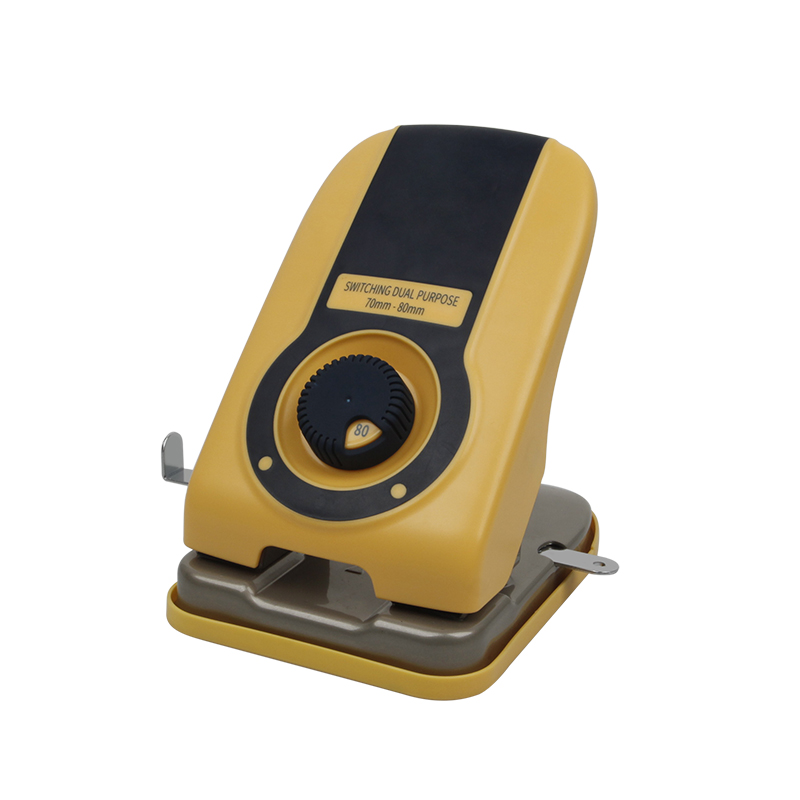
Compare reduced-effort and flat-clinch staplers, adjustable hole punches, staple removers and desk-storage assortments. Build your enquiry around fastener compatibility, paper capacity and the way the tools will be used.
Explore this service ↗Information basis: published product information reviewed . Reference details support a sourcing discussion. Current supply, samples and product-specific documents are confirmed for the selected item.