
Book-cover sheets and rolls
Compare self-adhesive and non-adhesive formats, film or paper construction and slip-on sleeves. Specify the book dimensions, gauge, bonding method, release liner and cutting arrangement.
Enquire about this range ↗Protect the book. Organize everything around it.
Plan book protection, document filing, clear storage pouches and writing-board products for school, office and retail ranges. Compare material, gauge, format, closures, print and pack choices through OEM or existing-design enquiries.
Manufacturing, product documents and order conditions depend on the model and supply route selected for your project.

Start with a product reference, intended use and estimated quantity. We bring product selection, sample questions and quotation details into one conversation.
Email your reference image ↗Choose a focused product or discuss a coordinated assortment. Each direction can be developed into a more specific model and packaging brief.
Compare self-adhesive and non-adhesive formats, film or paper construction and slip-on sleeves. Specify the book dimensions, gauge, bonding method, release liner and cutting arrangement.
Enquire about this range ↗Ring binders, lever-arch files, elastic folders, pocket folders and document boxes address different paper loads and access needs. Define capacity, mechanism, closure and nominal paper size.
Enquire about this range ↗Expanding files, index dividers, display books, punched pockets, report files and wallets support document classification and presentation. Specify pocket count, transparency, gauge and hole arrangement.
Enquire about this range ↗Clear zipper-pouch references include A4, A5 and A6 formats, alongside pencil-case categories. Request usable internal dimensions, actual materials, closure details and contents suitability.
Enquire about this range ↗Adhesive whiteboard or chalkboard films and magnetic planner accessories are separate constructions. Define the writing tool, mounting surface and cleaning requirements; not every film is magnetic.
Enquire about this range ↗Notebook, sticky-note and sticker categories can complement a coordinated school or home-office range. For notebooks, keep paper weight, sheet count, dimensions and binding explicit.
Enquire about this range ↗Card albums, refill pages and disc-binding accessories extend the organizing assortment. Confirm exact card fit, pocket orientation, polymer and compatibility with the selected mechanism.
Enquire about this range ↗Use these options to describe what you are buying. The public references identify your enquiry; the final model and specification are confirmed before an order.

A repositionable polypropylene roll with release liner and slide cutter. Review bonding and cutting operation with an approved sample.
A separate PVC film route supplied with adhesive dots. The film itself is non-adhesive; its pack must not be confused with the self-adhesive version.
A sheet format with spine-positioned release-paper cuts. Confirm the applicable book size, sheet count and application instructions.
Adhesive-backed film intended for regular whiteboard markers and wipe-off use. Check surface compatibility, cleaning and adhesive removal.
A clear zipper format for visibility of stored items. Confirm exact external dimensions and the intended contents.
A separate A5 format from the same clear-pouch direction. Nominal paper size is not an external bag measurement.
A smaller clear-pouch reference. The listed material and packing apply to this item, rather than every pouch.
An A5 notebook with an explicit sheet count and paper weight. Confirm binding, ruling, cover construction and artwork.
A separate compact notebook with a different paper weight and sheet count. Do not transfer the A5 notebook specification to it.
An ABS refrigerator-magnet reference. Confirm attachment strength, intended surface and supplied artwork.
A kraft-paper sheet direction from the current-linked catalogue. Paper appearance does not establish certified or biodegradable status.
A card-album reference with nine pockets per sheet. Exact card fit, polymer identity and archival suitability require confirmation.
A historical A4 filing reference with 13 pockets and 12 tabs. Confirm current series and capacity using actual paper.
A historical thirty-pocket display-book reference. The sixty-view description refers to two sides of each pocket.
Parameters describe individual product references. Carton packing counts are distinct from minimum order quantities. Confirm the current material, dimensions, gauge, pack contents, availability and sample terms for each selected item. Category illustrations represent the range rather than an exact product.
Focus the sourcing conversation on the features, materials and production details that make a difference to your product range.
Polypropylene, PVC, PE and paper-based cover routes can have different handling and bonding characteristics. Compare the selected material, gauge, finish, adhesive and removal behaviour on the books or surfaces buyers will use.
Coordinate folders, binders, wallets, pouches and card storage around paper size, capacity and access. A matching visual range still needs individual specifications for each mechanism, pocket and closure.
Product selection can be paired with differentiated packaging and point-of-sale display enquiries. Define the sales channel, pack contents, shelf footprint, labels and replenishment approach before confirming the range.
Bring artwork, reference samples and a target cost. The available process, minimum quantity, sample charges and development scope are reviewed for the chosen option.
The documented production route accepts customer specifications and offers existing designs. Submit drawings, material and gauge requirements, logo artwork and quantities; confirm feasibility, design rights and commercial terms.
Specify document format, pocket count, closure, ring mechanism or bag size together with colour and printing. Book-cover enquiries should also distinguish film gauge, sheet or roll format and adhesive construction.
Discuss school, online and retail packing separately, including artwork, instructions, barcodes and carton requirements. POS display development is documented; scope, charges, minimums and schedules require agreement.
Agree which product characteristics need testing and how the approved sample relates to the bulk order.
Review clarity, feel, thickness, cutting, liner release and repositioning on representative surfaces. Check bonding and removal after the intended dwell time; no universal residue-free or damage-free claim is made.
Check seams, pockets, closure operation, ring alignment, transparency and paper capacity. For card storage, verify actual card fit and material suitability rather than assuming all clear plastics have archival properties.
Test marker erasing and ghosting on writing films, ruling and binding on notebooks, and artwork adhesion on decorated parts. Agree the sampling method and acceptance limits for the order.
Test capability is a starting point for the inspection plan. Request the method, applicable model and results needed for your order.
Material chemistry, paper traceability, social audits and finished-product performance require separate evidence. General supplier statements are not a substitute for complete current files covering the actual model and intended use.
State the sales market, intended users and required files in your first enquiry. Current validity and scope are checked for the selected supplier and product; a category description does not certify every item.
Share your document requirements ↗Your sales channel changes the assortment, packaging and quality priorities. Tell us the intended use as well as the product name.
Develop book covers, filing and storage around the local book and paper formats. Specify pack quantity, application instructions, intended users and the evidence required in the sales market.
Coordinate folders, binders, display books, zipper pouches and planning tools. Compare capacity, retrieval, visibility and mounting rather than relying only on matching colours.
Bring product artwork, intended shelf position and display requirements into an OEM or existing-design enquiry. Agree the assortment, design rights, sample approvals and quantity per item.
Samples, commercial terms and responsibilities are agreed for the project. Use the same product and packing specification when comparing quotations.
Product, reference image, quantity, sales market and timing.
Review configuration, materials, sample scope and relevant documents.
Agree artwork, packaging, sample, testing and inspection criteria.
Set price, payment, production, delivery and defect remedies in writing.
Practical answers about this sourcing direction, customization and the reference options. Your agreed specification and written quotation determine the actual order.
The adhesive roll reference uses polypropylene with a repositionable adhesive and release liner. A separate PVC non-adhesive roll uses supplied adhesive dots. Confirm the construction and application method for the chosen product.
No. Documented routes include polypropylene, PVC, PE and paper-based formats. Use the exact material and gauge from the selected specification; do not describe all covers as PVC-free, recycled or biodegradable.
The adhesive 45 cm × 10 m reference lists 20 name labels. The separate non-adhesive reference lists 20 name labels and 80 adhesive dots. These contents do not apply to every book-cover pack.
Both customer-specification production and existing-design selection are explicitly documented. Confirm material, artwork, rights, minimums, samples and pricing for the selected design.
No. For example, a reference may list 12 packs per carton without establishing any minimum order quantity. A current order-specific minimum was not verified.
No. Adhesive-backed writing films and magnetic planning products are separate directions. Confirm the construction, surface, writing tool and mounting method for the actual item.
Obtain complete current evidence for the selected model, material and market before using that wording. General website statements or certification logos do not establish universal product compliance.
No verified sample-fee, dispatch or production schedule was obtained. Send quantities, artwork, packing, document requirements and the required destination date for a project-specific proposal.
Factory Sourcing Hub handles this enquiry as an independent sourcing and trading service. The product route, supplier suitability, sample scope and order responsibilities are agreed for the actual project.
Send the product reference, quantities per variation, customization and packaging. Prices, minimums, sample charges and delivery dates are confirmed in a current quotation; the page is not a live inventory or price feed.
Yes. State whether you need a reference sample, a customized sample or development work. Agree the sample cost and shipping, approval specification, inspection plan and remedy for non-conforming goods before the bulk order.
Reference images, drawings, logo artwork and a product list are useful. Include quantities, the intended users and sales market, packaging, required documents and timing. After submitting the form, email attachments to kunhuow@gmail.com with your enquiry reference.
A reference picture or a short description is enough to begin. Add the details you already know; the optional fields help make the follow-up more useful.
Download the enquiry checklist ↓
Independent sourcing and trading service. Supplier choice, service costs and order conditions are discussed for your project.
Product selection, customization, samples and quotation enquiries.
Compare separate product ranges and prepare a brief that fits your assortment.

Compare document folders, paper filing, book covers and zipper storage through one trading contact. Develop your assortment around paper format, material, thickness, closure, colour and printed presentation, with current minimums and packaging confirmed by model.
Explore this service ↗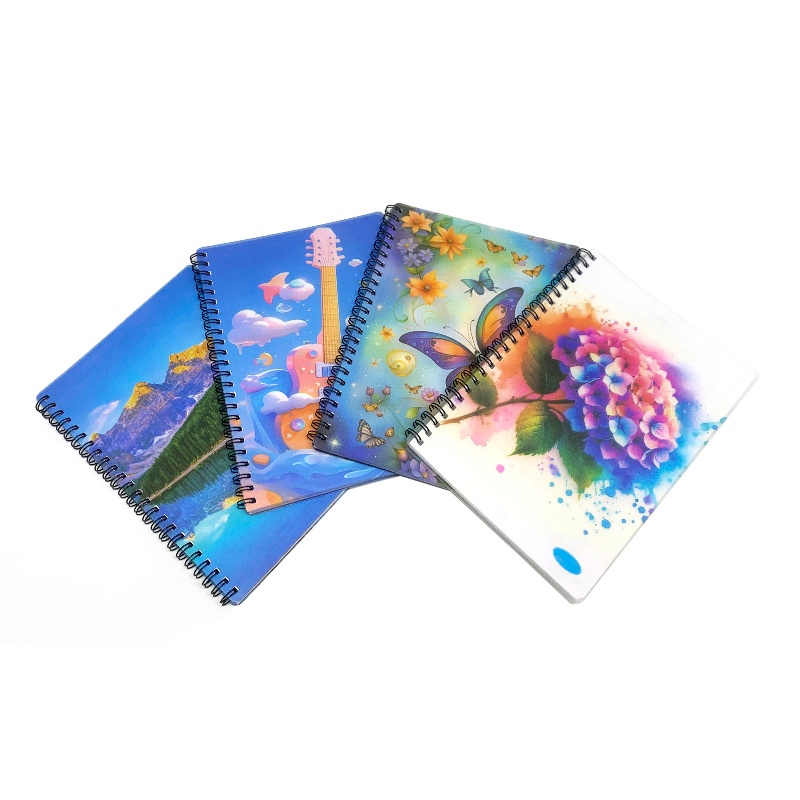
Develop school exercise books, wire-bound notebooks, composition books, drawing books and PU-cover journals. Define the paper, ruling, binding and cover finish, then review proofs and samples before agreeing the production specification.
Explore this service ↗
Build a school and office paper assortment around binding, ruling, trim and page count. Compare student exercise books, sewn and wire notebooks, music and tracing books, copy paper and filing accessories, with each item specified for its actual use.
Explore this service ↗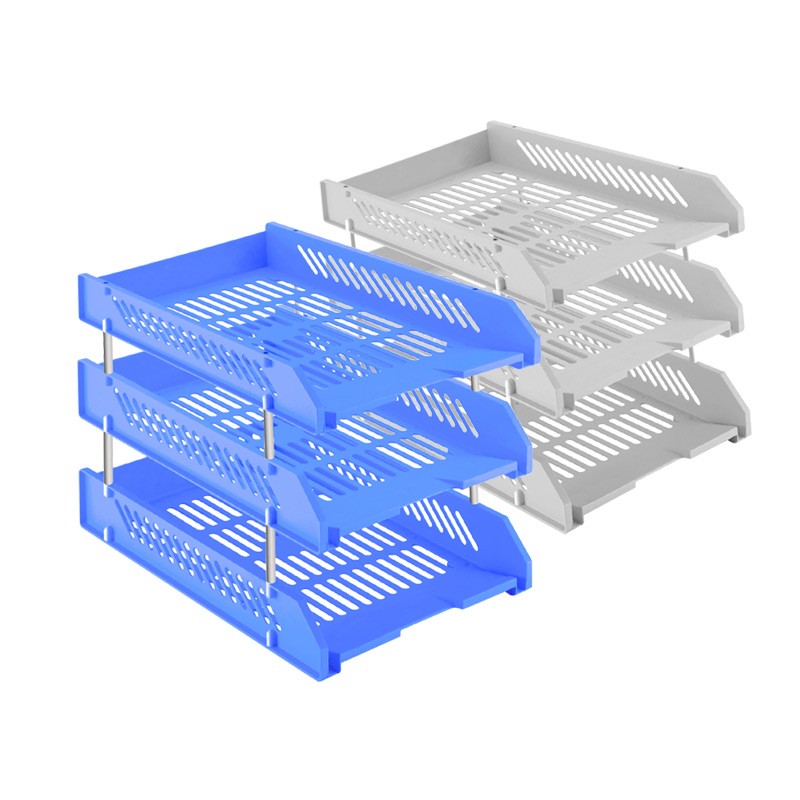
Source filing and presentation products, expanding files, zipped document bags, card holders and desk organizers. Compare formats, pockets, ring mechanisms, dimensions and packing to build a coordinated office range.
Explore this service ↗Information basis: published product information reviewed . Reference details support a sourcing discussion. Current supply, samples and product-specific documents are confirmed for the selected item.