Independent B2B sourcing · One trading contactkunhuow@gmail.com ↗
FACTORY SOURCING HUBProduct sourcing for business buyers
Get a quote ↗
Home/Stationery & Office/School, Office, Bag & Coordinated Stationery Assortment Sourcing
School & office supplies · paper & filing · cases & bags · coordinated gifts

Many useful products. One clearly specified range.

School, Office, Bag & Coordinated Stationery Assortment Sourcing

Develop a coordinated stationery range across writing tools, school essentials, paper, filing, desk accessories and bags. Bring the product list, artwork, packing and inspection requirements into one sourcing brief, with each selected item and its order conditions confirmed separately.

  • Coordinate school, office, bag and gift product directions.
  • Link design, component selection, packing and approval in one brief.
  • Plan production-stage checks and shipment requirements by item.

Manufacturing, product documents and order conditions depend on the model and supply route selected for your project.

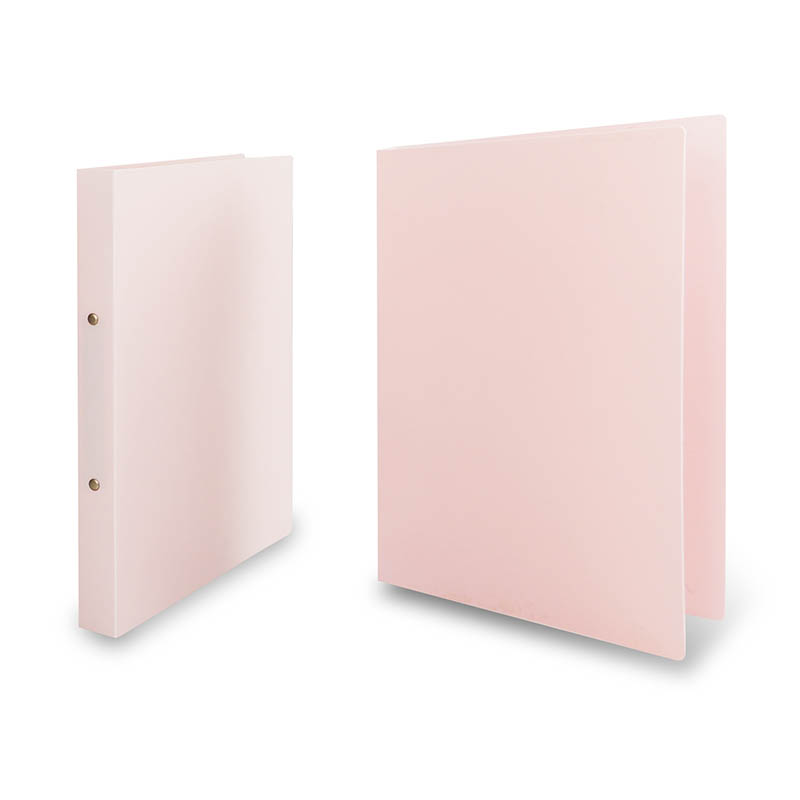
Plain pink binder cover references on white
A plain two-ring binder direction. Page size, hole spacing, cover construction and capacity are confirmed for the selected item.

Start with a product reference, intended use and estimated quantity. We bring product selection, sample questions and quotation details into one conversation.

Email your reference image ↗
School rangeWriting, learning, art and stationery sets
Office rangeFiling, paper, desk, binding and marking
Bag directionsPencil, school, gift and everyday storage
Sourcing briefItems, design, packing and inspection
Explore the product range

Build the range
your buyers need.

Choose a focused product or discuss a coordinated assortment. Each direction can be developed into a more specific model and packaging brief.

Writing instruments

Pencils, mechanical pencils, ballpoints, gel and other writing directions support a mixed assortment. Define ink or lead, point and handling requirements by item, then request samples rather than assuming common performance across the range.

Enquire about this range ↗

School essentials

Rulers, sharpeners, erasers, scissors, glues and filled-case directions can be coordinated around the intended student and activity. Specify each component and user requirement, with relevant evidence and pack contents confirmed separately.

Enquire about this range ↗

Colouring, art and craft

Fibre-tip pens, crayons, chalk, brushes, modelling clay and DIY directions broaden a learning range. Define medium, colours, user and activity, then agree sample checks and presentation for the actual products.

Enquire about this range ↗

Notebooks, planners and paper

Develop books, notes and paper products around trim, paper, page count and layout. Confirm cover material, binding and writing behaviour, with full interior and artwork approval where content or page sequence matters.

Enquire about this range ↗

Filing and document presentation

Ring binders, display books, PP and paper filing directions serve different document needs. Define page format, hole pattern, pockets and mechanism, then compare fit and handling using the intended inserts.

Enquire about this range ↗

Desk, mesh and metal accessories

Organisers, trays and related desktop directions support a coordinated workspace range. Specify dimensions, intended load, finish and assembly, with function and protective packing evaluated on the actual sample.

Enquire about this range ↗

Stapling, punching and small fasteners

Staplers, punches, pins and clips require clear compatibility and capacity briefs. State the paper and fastener, hole requirements or holding task, then verify the selected item with an appropriate functional check.

Enquire about this range ↗

Tape, adhesives and correction

Tapes, dispensers, glues and correction directions need their own material and use specifications. Define surface, size, desired bond or correction task and presentation, with performance assessed for the selected formulation and construction.

Enquire about this range ↗

Boards, stamps and office markers

Board products, magnets, stamps, highlighters and marking pens serve different office routines. Identify the actual surface and use, then confirm line, erasing or marking behaviour and any accompanying accessories for the chosen item.

Enquire about this range ↗

Cases, bags and small storage

Pencil cases, school, fashion, coin, lunch-style, shopping and promotional bag directions offer different storage concepts. Agree fabric, dimensions, closure and contents, with workmanship and component checks tied to the selected construction.

Enquire about this range ↗

Coordinated collections

Develop a consistent palette and visual direction across paper, cases, writing and small accessories. Confirm each product, artwork ownership and reproduction permissions, then use approved proofs and samples to align the finished assortment.

Enquire about this range ↗

Seasonal, party and gift assortments

Seasonal, party and gift directions can combine relevant stationery and accessories. Define the occasion, components and packaging with the intended user and market, and confirm artwork, safety information and order conditions by item.

Enquire about this range ↗
Reference product directions

Start with a product.
Define the details.

Use these options to describe what you are buying. The public references identify your enquiry; the final model and specification are confirmed before an order.

Plain pink binder cover references
REFERENCE 0047-01

Two-ring binder

A two-ring filing reference. Confirm page size, hole spacing, mechanism capacity and cover construction with the intended inserts, then agree colour and presentation against a physical sample.

Ring count
2
Category direction
Filing
Discuss this option ↗
Four-ring binder sourcing illustration
REFERENCE 0047-02

Four-ring binder

A four-ring direction for organised loose sheets. Define the exact hole pattern and paper format, with ring geometry and cover dimensions checked before pages and packing are approved.

Ring count
4
Category direction
Filing
Discuss this option ↗
Twenty-pocket display book sourcing illustration
REFERENCE 0047-03

Twenty-pocket display book

A display-book reference for document presentation. Confirm the actual sheet format and pocket construction; twenty pockets does not by itself establish a tested paper capacity or display-side count.

Listed pocket count
20
Category direction
Filing
Discuss this option ↗
PU notebook direction sourcing illustration
REFERENCE 0047-04

PU notebook direction

A notebook direction with a named PU cover. Define trim, paper, ruling, page count and binding, with the actual cover composition and finish confirmed before material claims are used.

Listed cover direction
PU
Format
Notebook
Discuss this option ↗
Sticky-note assortment sourcing illustration
REFERENCE 0047-05

Sticky-note assortment

A set direction for colour-coded notes and desk assortments. Agree the component sizes, sheet counts and adhesion needs, then approve writing and repositioning performance on the intended surface.

Format
Sticky-note set
Specification brief
Sheet sizes / counts / adhesive / presentation
Discuss this option ↗
Filled pencil-case direction sourcing illustration
REFERENCE 0047-06

Filled pencil-case direction

A filled-case concept linking storage with a stationery assortment. Specify every component and quantity, case construction and artwork, with the actual included products approved together rather than inferred from a photograph.

Format
Case with stationery contents
Specification brief
Exact component bill of materials
Discuss this option ↗
Sidewalk-chalk set reference sourcing illustration
REFERENCE 0047-07

Sidewalk-chalk set reference

A chalk-set direction with a listed twelve-piece reference. Confirm colour allocation, dimensions, intended user and relevant evidence, alongside dust, handling and packing requirements for the selected set.

Listed reference count
12
Format
Sidewalk chalk
Discuss this option ↗
A6 notebook-set direction sourcing illustration
REFERENCE 0047-08

A6 notebook-set direction

A compact notebook-set reference for a coordinated range. Specify actual trim, sheets, ruling, companion items and packing; pictured themed artwork does not establish transferable design rights.

Listed notebook format
A6
Format
Notebook set
Discuss this option ↗
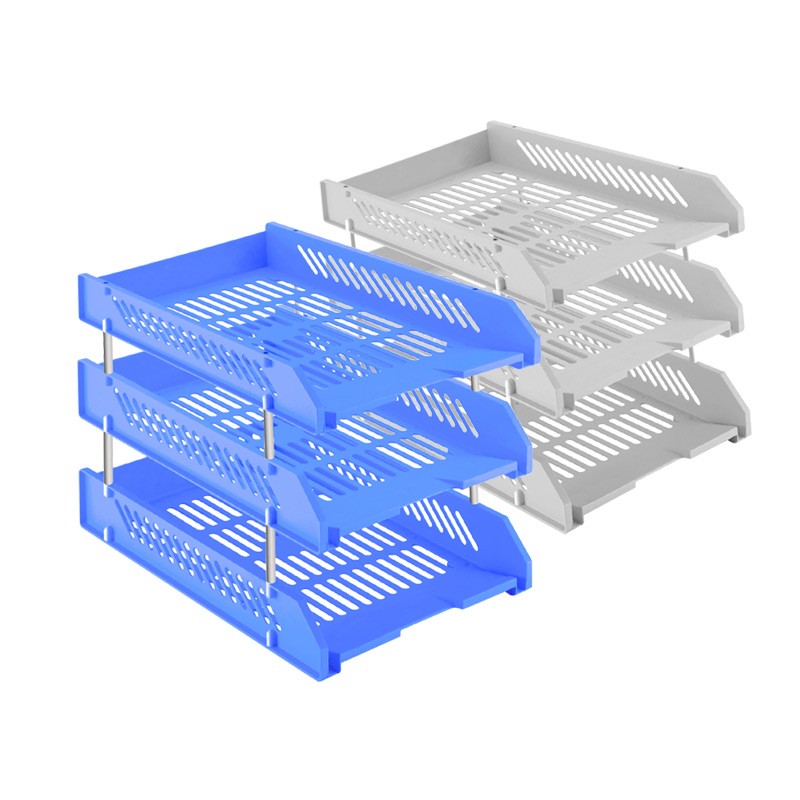
Mesh file-tray direction sourcing illustration
REFERENCE 0047-09

Mesh file-tray direction

A desktop-sorting direction with a pictured three-tier layout. Confirm dimensions, assembly and intended load, with the actual coating and protective packing reviewed for the selected tray.

Format
Mesh file tray
Pictured tier count
3; confirm selected construction
Discuss this option ↗
Office punch direction sourcing illustration
REFERENCE 0047-10

Office punch direction

A hole-punch direction requiring an actual paper and hole specification. Define spacing, paper basis and intended sheet load so the sample check and quotation describe the required task.

Format
Paper punch
Capacity brief
Paper basis / sheets / hole pattern
Discuss this option ↗
Stapler direction sourcing illustration
REFERENCE 0047-11

Stapler direction

A stapling direction for an office assortment. Specify fastener, loading and intended paper task, with capacity and operating behaviour verified on the actual sample rather than taken from another model.

Format
Desk stapler
Compatibility brief
Staple type / paper basis / capacity
Discuss this option ↗
Coin-bag direction sourcing illustration
REFERENCE 0047-12

Coin-bag direction

A small-storage direction for gift or bag assortments. Agree the actual material, closure, internal space and artwork, with seam and fastening checks defined for the selected construction.

Format
Coin bag
Specification brief
Material / dimensions / closure
Discuss this option ↗

Displayed designs and formats are selection references. Confirm current availability, actual construction, dimensions, component contents and any numbered specification against a sample. A coordinated assortment does not imply a shared minimum order, one factory, guaranteed stock or a transferable licence to existing artwork.

What matters for this category

A better brief.
A clearer comparison.

Focus the sourcing conversation on the features, materials and production details that make a difference to your product range.

01

Coordinate the assortment around a buyer brief

A mixed range works best when quantities, user needs and presentation are defined together. Build an item list across the relevant school and office families, then confirm each component so the finished assortment remains useful, coherent and straightforward to evaluate.

02

Connect artwork with the actual products

A shared palette can bring notebooks, filing and cases together, but print areas and materials differ. Agree the design direction, artwork rights and item-specific proof or sample so the visual range is built around real products and approved reproduction.

03

Make quality expectations reviewable

Turn the brief into an inspection plan covering materials, function, packing and shipment marks. Initial, production, final and loading checks can be discussed for the selected order, with scope and records agreed rather than assumed as a generic promise.

Branding, configuration & packaging

Make the product
fit your programme.

Bring artwork, reference samples and a target cost. The available process, minimum quantity, sample charges and development scope are reviewed for the chosen option.

01

Product and component selection

Provide the required families, quantities and specifications for each item. For sets and filled cases, list every component and count, with substitute options explicitly agreed rather than inferred from a reference photograph.

02

Design and packaging development

Share colour, artwork and intended presentation across the range. Confirm printable areas, material effects, rights and approvals for each product, with package files and labels reviewed together with the proposed physical contents.

03

Order and supply coordination

State quantities by design, destination and target date, then identify combined packing or shipment needs. Confirm item-level minimums, sample charges, development work and schedule in writing before treating the assortment as an agreed order.

Quality & product evidence

Turn requirements
into checks.

Agree which product characteristics need testing and how the approved sample relates to the bulk order.

01

Initial and production checks

Agree the material, component and reference-sample checks needed before or during production. Include relevant function and workmanship requirements, with deviations and corrective actions recorded against the selected product specification.

02

Final product and packing review

Define quantity, appearance, measurements, operation and packing checks for the finished goods. Confirm the required sampling basis and report, including labels and shipping marks; a general inspection description does not establish an actual batch result.

03

Loading and supporting evidence

Where required, arrange loaded-quantity checks, selected carton review and photo records for the shipment. Request product-specific reports for the destination and intended users, with existing artwork and compliance claims reviewed separately by item.

Test capability is a starting point for the inspection plan. Request the method, applicable model and results needed for your order.

Documents matched to the order

Ask for evidence
that fits the product.

A useful range brief combines a product schedule, approved design and clear quality expectations. These details support item-level quotations and samples, with packing and shipment arrangements confirmed for the actual assortment.

State the sales market, intended users and required files in your first enquiry. Current validity and scope are checked for the selected supplier and product; a category description does not certify every item.

Share your document requirements ↗
Assortment specification sheet
List the product, quantity, dimensions, materials and functional requirement for each line. Add target users and any fixed component list, noting whether alternative constructions or colours may be proposed for review.
Artwork and sample approvals
Provide artwork files, colour references, print locations and packaging. Record rights to any supplied design, then keep item-specific proofs and approved samples aligned with the final bill of materials and pack contents.
Inspection and shipment requirements
State destination, product documentation and the agreed inspection stages or sampling basis. Confirm pack counts, shipping marks and any loading records, together with sample fees, minimum orders and the production schedule for the selected items.
Built around how you sell

Different buyers.
Different specifications.

Your sales channel changes the assortment, packaging and quality priorities. Tell us the intended use as well as the product name.

01

Back-to-school and learning ranges

Coordinate writing, measuring, erasing, colouring and paper products around the intended student and activities. Define each item and component count, then review age suitability, artwork and packing before approving a complete set.

02

Office and workplace supplies

Build a practical range of filing, desk, paper, binding and marking tools. State the formats and functional requirements so inserts, fasteners and accessories can be checked as part of the actual working routine.

03

Retail, seasonal and gift collections

Develop a visual direction across selected stationery, cases and accessories. Confirm design rights, item quantities and presentation, with sample approvals and any seasonal timing requirements included in the purchasing brief.

From first brief to a defined order

One contact.
A practical next step.

Samples, commercial terms and responsibilities are agreed for the project. Use the same product and packing specification when comparing quotations.

01

Share the requirement

Product, reference image, quantity, sales market and timing.

02

Compare suitable options

Review configuration, materials, sample scope and relevant documents.

03

Approve the specification

Agree artwork, packaging, sample, testing and inspection criteria.

04

Confirm the order plan

Set price, payment, production, delivery and defect remedies in writing.

Buyer questions

Before you send
your first enquiry.

Practical answers about this sourcing direction, customization and the reference options. Your agreed specification and written quotation determine the actual order.

Can different stationery categories be combined?

Yes. Build a line-by-line schedule with quantities and specifications for each product. Combined sourcing does not automatically combine minimum orders or production schedules; those are confirmed by selected item.

Can filled pencil cases or stationery sets be developed?

Provide a complete bill of materials, including every tool, colour and quantity. Agree the case and packaging, then approve the actual components together instead of treating a photograph as a final contents list.

Can products share a design or colour theme?

Share the design brief and artwork you have rights to use. Print methods and materials differ by item, so each product needs an approved proof or sample to align appearance across the range.

Are existing illustrations free to reuse?

A displayed design does not establish a transferable licence. Confirm artwork ownership, permissions and any character rights before approving reproduction or packaging.

What does a twenty-pocket display book mean?

The reference names twenty pockets. Confirm actual page format and pocket construction; a pocket count does not itself establish tested sheet capacity or how many display sides should be described.

What inspections can be specified?

Discuss initial-material, in-process, finished-goods and loading checks as relevant to the order. Agree the scope, sampling basis, responsible party and records before treating an inspection plan as a commitment.

Are samples, minimum orders and lead times fixed?

They depend on the product, component selection, artwork and packing. Request a written proposal for each line and any combined-shipment arrangement rather than assuming one standard applies to the whole range.

What should my first enquiry contain?

Send the assortment list, quantity by item, target users and specifications. Add artwork, packing, destination, required reports and target schedule so product selection, sample review and quotation can be coordinated.

Who handles my enquiry?

Factory Sourcing Hub handles this enquiry as an independent sourcing and trading service. The product route, supplier suitability, sample scope and order responsibilities are agreed for the actual project.

How do I get a price and order minimum?

Send the product reference, quantities per variation, customization and packaging. Prices, minimums, sample charges and delivery dates are confirmed in a current quotation; the page is not a live inventory or price feed.

Can I discuss samples and inspection before ordering?

Yes. State whether you need a reference sample, a customized sample or development work. Agree the sample cost and shipping, approval specification, inspection plan and remedy for non-conforming goods before the bulk order.

What should I attach to my email?

Reference images, drawings, logo artwork and a product list are useful. Include quantities, the intended users and sales market, packaging, required documents and timing. After submitting the form, email attachments to kunhuow@gmail.com with your enquiry reference.

Tell us what you are planning

Your next order
starts with a brief.

A reference picture or a short description is enough to begin. Add the details you already know; the optional fields help make the follow-up more useful.

  • Product schedule, quantities and target school, office or gift use.
  • Materials, dimensions, function and set component requirements.
  • Artwork rights, shared design direction and packaging or labels.
  • Destination, inspection plan, required evidence and target schedule.
kunhuow@gmail.com

Download the enquiry checklist ↓

Independent sourcing and trading service. Supplier choice, service costs and order conditions are discussed for your project.

Discuss your requirements.

Product selection, customization, samples and quotation enquiries.

Add product, quantity or customization details (optional)

Submit your enquiry directly. We use your details to respond to your sourcing request. For attachments, email kunhuow@gmail.com with your enquiry reference. Enquiry data use.

Information basis: published product information reviewed . Reference details support a sourcing discussion. Current supply, samples and product-specific documents are confirmed for the selected item.

Have a product in mind?
Share your sourcing brief.
Send an enquiry ↗