
Mechanical kitchen timers
Explore dial-based kitchen timers in conventional and decorative bodies. Confirm the mechanism, usable range, setting procedure and alarm behaviour for the selected model.
Enquire about this range ↗Choose the timing format. Shape the finished product.
Explore mechanical kitchen timers, digital countdown formats, visual-sector dials and decorative timer designs. Compare display, controls, body construction and finishing, with sample and document checks for each selected model.
Manufacturing, product documents and order conditions depend on the model and supply route selected for your project.
Start with a product reference, intended use and estimated quantity. We bring product selection, sample questions and quotation details into one conversation.
Email your reference image ↗Choose a focused product or discuss a coordinated assortment. Each direction can be developed into a more specific model and packaging brief.
Explore dial-based kitchen timers in conventional and decorative bodies. Confirm the mechanism, usable range, setting procedure and alarm behaviour for the selected model.
Enquire about this range ↗Compact LCD and larger-display references offer different controls and display layouts. Specify the time format, maximum setting, presets, battery arrangement and sound requirements.
Enquire about this range ↗Mechanical and quartz educational timer categories are documented. A visual-sector reference shows a coloured time area and adjustment knob; suitability for a specific age or activity requires review.
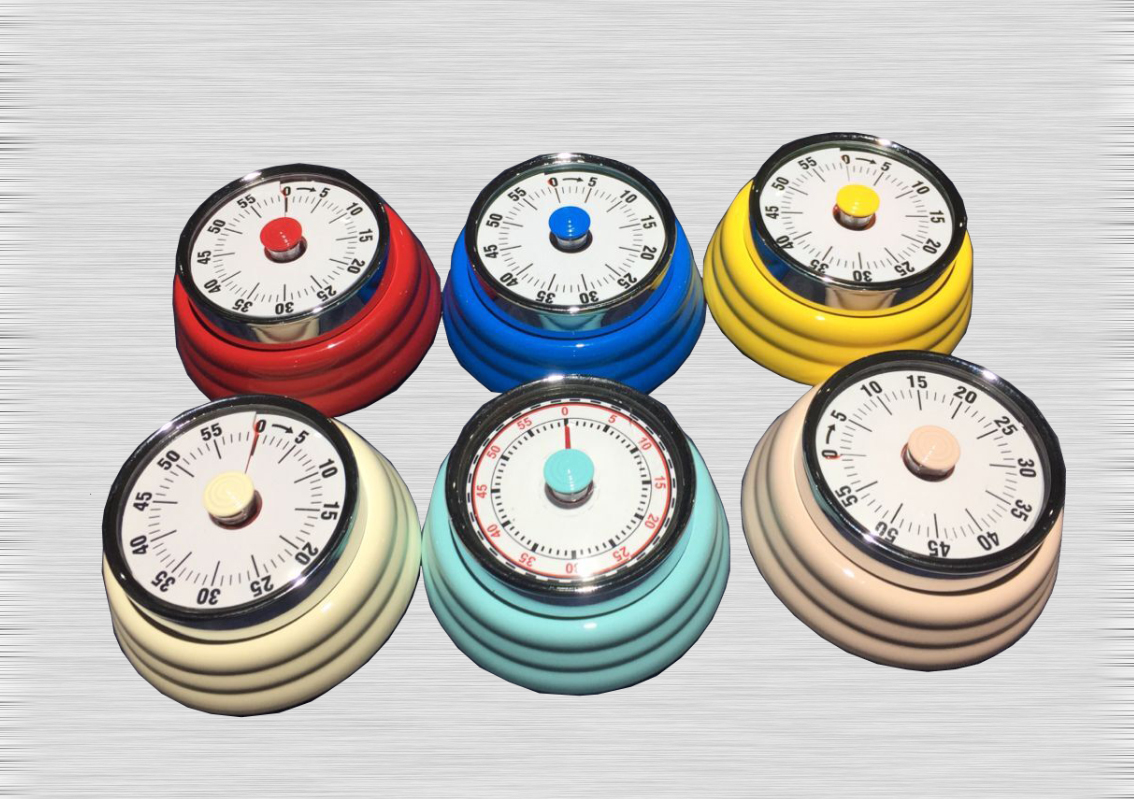
Enquire about this range ↗Stainless-steel-series bodies and coloured retro mechanical references give different retail and kitchen styling directions. Material grade, dimensions and function remain model-specific.
Enquire about this range ↗Wooden, transparent and other finish families broaden the visual selection. Ask for the actual substrate, finish, material declarations and construction rather than relying on appearance.
Enquire about this range ↗Fruit, vegetable, cartoon, ball and seasonal designs appear in the catalogue. Confirm the current design, colour choices and artwork rights before developing a gift assortment.
Enquire about this range ↗Movement supply is listed separately from finished timers. Prepare the mounting, interface and functional requirements; a component code does not establish compatibility, voltage or timing range.
Enquire about this range ↗Use these options to describe what you are buying. The public references identify your enquiry; the final model and specification are confirmed before an order.
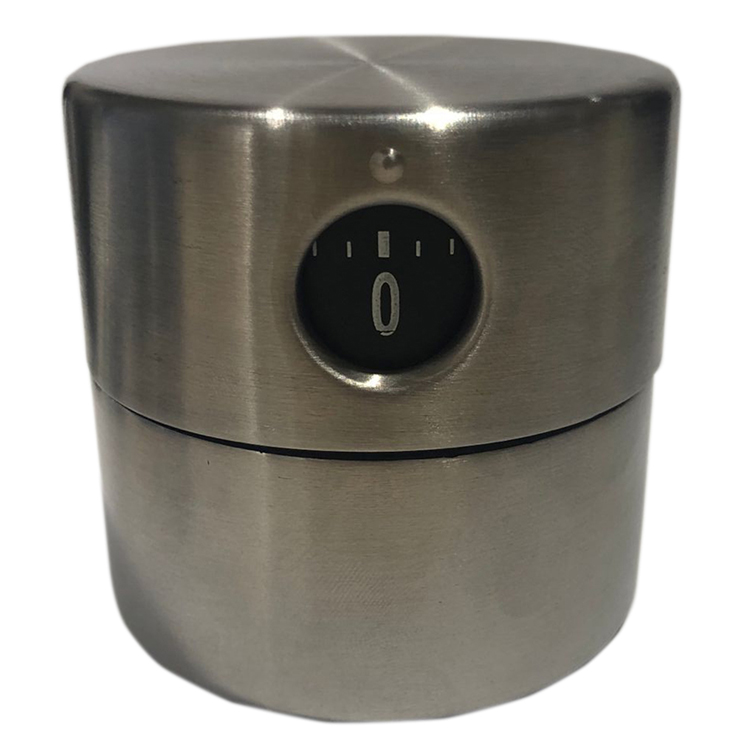
A stainless-steel-series visual reference with a brushed appearance and small front indicator window. No dimensions, grade of steel or timing range were verified.

The photograph shows MIN, SEC and START/STOP controls, with a rear support and hanging opening. Confirm actual range, power and mounting details.
A wooden-series design with a printed dial and triangular setting index. Wood species, coating and operating details are not established.
The quartz-series photograph shows a red sector, a central adjustment knob and a rear tabletop support. Visible scale markings are not used as a validated timing specification.
Specific pictured variants show preset, reset and start/stop keys. Dimension order and whether the listed weight includes a battery are not stated.
The combined reference image shows rounded ribbed bases and six colourways. Available colours, materials, dimensions and the mechanism need confirmation.
Most references are historical catalogue photographs with limited technical tables. Only the large-display reference has the stated dimensions and weight. No battery type, voltage, verified time range, accuracy or alarm level was obtained for these models. Model codes and dial artwork must not be interpreted as specifications. Current supply, minimums, samples and schedules require confirmation.
Focus the sourcing conversation on the features, materials and production details that make a difference to your product range.
A dial, visual sector and digital keypad offer different ways to set and read time. Define the users, viewing distance, setting steps and sound requirements before selecting an exterior design.
The documented production route includes components, plastic and metal housings, polishing, screen printing, pad printing, spraying, final assembly and packing. Discuss which operations apply to your selected timer and finish.
Published development workflows distinguish drawings, CNC samples, tooling samples and pre-production samples. An approval plan can keep the appearance and operation aligned, subject to current engineering and commercial feasibility.
Bring artwork, reference samples and a target cost. The available process, minimum quantity, sample charges and development scope are reviewed for the chosen option.
Provide a sample or drawing, desired mechanism, dimensions and intended use. Historical mechanical-development documentation includes 3D drawings, CNC samples and customer review. Confirm present capability, costs and ownership of any new tooling.
Historical electronic workflows include electronic design and functional or appearance samples; a separate route includes a circuit and PCB demonstration. Request a current technical assessment rather than assuming every custom function is available.
Discuss body colour, printing location, coating, display artwork, instructions and packing. Final packing is within the reported production scope, but box formats, barcodes, carton counts and development terms were not verified.
Agree which product characteristics need testing and how the approved sample relates to the bulk order.
Request the actual range, resolution, accuracy and setting procedure. Test repeatability, controls, end-of-cycle behaviour and any reset or preset function against the intended use.
Confirm whether the selected unit is mechanically driven or electrically powered, then establish the battery type or supply requirement. Check battery inclusion, polarity, alarm level and silent-operation requirements separately.
Review finish, print durability, edges, knob operation, stand stability and battery-compartment closure where applicable. Agree inspection scope and acceptance limits rather than assuming an attractive catalogue image proves performance.
Test capability is a starting point for the inspection plan. Request the method, applicable model and results needed for your order.
Management-system references, social-audit claims and timer-product compliance cover different subjects. Request complete current records for the chosen design, power arrangement, target market and intended user group.
State the sales market, intended users and required files in your first enquiry. Current validity and scope are checked for the selected supplier and product; a category description does not certify every item.
Share your document requirements ↗Your sales channel changes the assortment, packaging and quality priorities. Tell us the intended use as well as the product name.
Compare setting simplicity, readable display, sound, cleanability and the intended position on a work surface. Confirm the exact operating instructions and performance.
Discuss visual timing for a defined activity and user group. Assess readability, handling and materials; no therapeutic outcome, learning improvement or child-safety certification is implied.
Bring a preferred style, colour direction and artwork into a feasibility enquiry. Review tooling, branding rights, sample approvals, retail packing and quantity before committing to a launch.
Samples, commercial terms and responsibilities are agreed for the project. Use the same product and packing specification when comparing quotations.
Product, reference image, quantity, sales market and timing.
Review configuration, materials, sample scope and relevant documents.
Agree artwork, packaging, sample, testing and inspection criteria.
Set price, payment, production, delivery and defect remedies in writing.
Practical answers about this sourcing direction, customization and the reference options. Your agreed specification and written quotation determine the actual order.
That must be confirmed for the exact model. A dial face or metal body does not establish the power source, and the catalogue includes both mechanical and quartz formats.
No. It is not a verified supply specification. Ask for the actual battery or external-power arrangement and voltage before ordering.
Use the approved technical sheet and tested sample for the selected unit. A product code, visible scale or display example does not establish a verified range, resolution or accuracy.
One large-display digital reference is illustrated at 90 × 18 × 70 mm and 69 g. Dimension order and whether the weight includes a battery are unspecified; these values do not apply to the other timers.
Historical official workflows show customer drawings, 3D/CNC samples, tooling samples and pre-production approvals, with electronic design in separate routes. Current engineering acceptance, costs and commercial terms require review.
No current numerical minimum, sample charge or production lead time was verified. Development charts are historical process examples, so obtain a current schedule for the chosen design.
No product-specific evidence for those claims was obtained. State the intended users and market, then request applicable safety and material reports. An educational catalogue category is not a safety certificate.
Describe whether you require a silent mechanism, no ticking, a visual-only signal or a switchable alarm. These are separate requirements; no reviewed model was verified to meet all of them.
Factory Sourcing Hub handles this enquiry as an independent sourcing and trading service. The product route, supplier suitability, sample scope and order responsibilities are agreed for the actual project.
Send the product reference, quantities per variation, customization and packaging. Prices, minimums, sample charges and delivery dates are confirmed in a current quotation; the page is not a live inventory or price feed.
Yes. State whether you need a reference sample, a customized sample or development work. Agree the sample cost and shipping, approval specification, inspection plan and remedy for non-conforming goods before the bulk order.
Reference images, drawings, logo artwork and a product list are useful. Include quantities, the intended users and sales market, packaging, required documents and timing. After submitting the form, email attachments to kunhuow@gmail.com with your enquiry reference.
A reference picture or a short description is enough to begin. Add the details you already know; the optional fields help make the follow-up more useful.
Download the enquiry checklist ↓
Independent sourcing and trading service. Supplier choice, service costs and order conditions are discussed for your project.
Product selection, customization, samples and quotation enquiries.
Compare separate product ranges and prepare a brief that fits your assortment.

Develop a coordinated glassware and home collection around form, colour and retail presentation. Explore drinkware, barware, kitchen storage and decorative glass, with options for authorised decoration, mould development, private labels, packaging and complementary kitchen products.
Explore this service ↗
Develop coordinated kitchen and lifestyle collections using glass, stainless steel, silicone, plastic and selected wood components. Compare dispensing mechanisms, shaker outlets, grinding cores, storage lids and portable formats, with OEM or ODM options, practical sample checks and packaging matched to your assortment.
Explore this service ↗
Develop a home-glassware collection around form, texture and intended use. Explore pressed and embossed glass, tabletop pieces, kitchen storage, decorative accessories and borosilicate directions, then define the item, finish, approved sample and packaging your market requires.
Explore this service ↗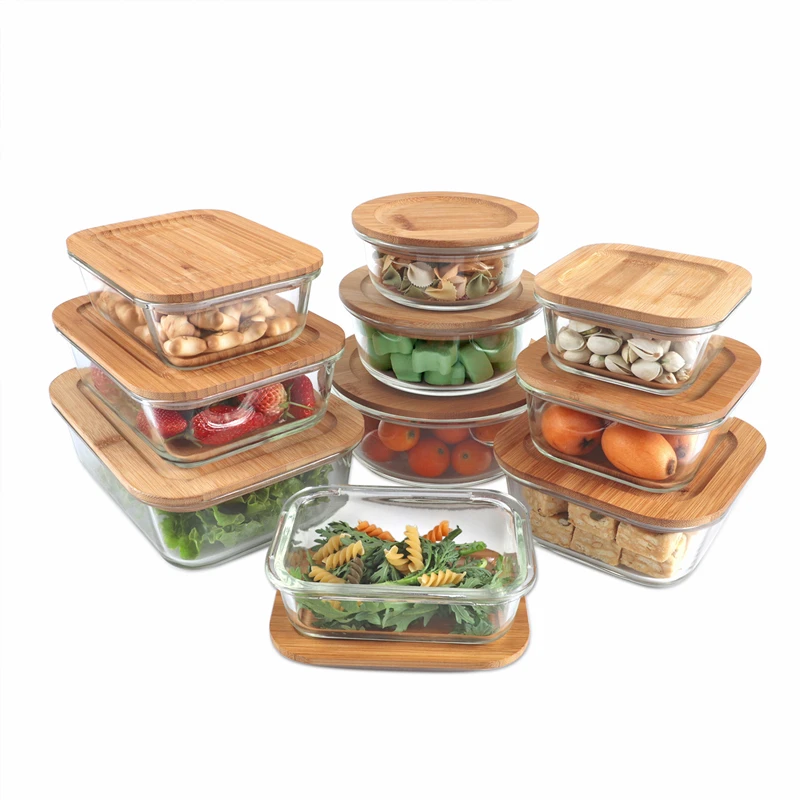
Plan a kitchen glassware range from meal-prep containers to baking, pantry organisation and tabletop presentation. Compare borosilicate body formats, closures and capacities, then agree decoration, sample approval, component-specific care instructions and protective packing for the selected collection.
Explore this service ↗Information basis: published product information reviewed . Reference details support a sourcing discussion. Current supply, samples and product-specific documents are confirmed for the selected item.