
Cut-off wheels
Compare thin and larger cut-off-wheel geometry for a defined workpiece and machine. Separate general metal/stainless requirements from a rail or other specialist cutting brief.
Enquire about this range ↗Match the Abrasive to the Workpiece Coordinate Cutting, Grinding & Tool Requirements
Source cutting and grinding discs, grinding wheels, flap and coated abrasives, diamond saw blades, steel-wire wheels, brushes, drilling/chiselling and driver-bit directions, mounted points and broader tool programmes.
Manufacturing, product documents and order conditions depend on the model and supply route selected for your project.
Start with a product reference, intended use and estimated quantity. We bring product selection, sample questions and quotation details into one conversation.
Email your reference image ↗Choose a focused product or discuss a coordinated assortment. Each direction can be developed into a more specific model and packaging brief.
Compare thin and larger cut-off-wheel geometry for a defined workpiece and machine. Separate general metal/stainless requirements from a rail or other specialist cutting brief.
Enquire about this range ↗Specify stock removal, edge work, deburring or weld cleanup separately from cutting. Abrasive, grit, bond, wheel form and machine interface should be selected together.
Enquire about this range ↗Different abrasive and reinforcement directions support different trials. Confirm the actual formulation, bond and reinforcement layout rather than transferring a size or operating limit between ranges.
Enquire about this range ↗Flap-disc and coated-abrasive directions can be compared by workpiece and required finish. Confirm abrasive, grit, backing, attachment and geometry for the selected item.
Enquire about this range ↗Stone-cutting abrasive wheels and diamond saw-blade enquiries are distinct. Approve workpiece, blade/wheel construction, bore, machine and operating method for the actual selection.
Enquire about this range ↗Specify the cleaning or surface-preparation task, wire arrangement, dimensions, mounting and machine. Current brush and wire-wheel details are confirmed on the item sheet.
Enquire about this range ↗Drill-bit, hammer-drilling, chisel and driver-bit enquiries need their own shank/drive, cutter or tip, dimensions, workpiece and tool-interface brief.
Enquire about this range ↗Match point geometry and shank to access around the workpiece. Abrasive, bond, grit and the selected machine are separate approval points.
Enquire about this range ↗Power tools, power-tool accessories and hand tools can be requested as an itemised programme. Current model specifications and inclusion lists require confirmation for each selection.
Enquire about this range ↗Use these options to describe what you are buying. The public references identify your enquiry; the final model and specification are confirmed before an order.
Mixed-abrasive cut-off direction for a rail-cutting brief. Approve the actual machine, wheel label, operating limit and application trial before selecting the item.
A ceramic-corundum direction for a defined workpiece and cutting task. The illustrated label is a selection reference; confirm the current ordered wheel and machine requirements.
Cut-off configuration for a metal or stainless-steel enquiry. Approve the wheel construction, application and current operating label against the machine.
Discuss abrasive, resin and fibreglass reinforcement as one construction specification. Approve the sample and relevant process or batch checks for the selected wheel.
A separate zirconia-corundum development direction accompanies the ceramic range. Match the abrasive, bond, workpiece and trial requirement without assuming another item’s dimensions.
Compare large-wheel geometry for a current cutting brief. These catalogue dimensions require current item confirmation; operating limits and packing are established on the actual wheel and quotation.
A separate stone-cutting abrasive direction can be specified by workpiece, machine and approved method. Confirm the current construction and item label.
Discuss edge grinding, deburring and weld-seam cleanup for a defined ferrous workpiece. Wheel structure, flexibility, grit and geometry require confirmation for the current selection.
Specify stock removal or finishing separately from cut-off work. Match wheel form, abrasive, bond, hardness, grit, dimensions and machine to the selected application.
Build a coated-abrasive brief around substrate, removal rate and finish requirements. Confirm abrasive, backing, flap arrangement, grit and attachment for the actual selection.
Specify the workpiece and cutting machine with blade geometry and the proposed operating method. Approve the actual core, cutting edge and item-specific suitability.
Match brushing or cleaning to the workpiece and desired surface condition. Confirm wire material/arrangement, geometry and mounting before selecting a configuration.
Include drill bits, hammer-drilling and chiselling requirements in the tool brief. Approve the actual shank, cutter, dimensions, workpiece and machine interface.
Specify the fastener profile, drive interface, working reach and intended fastening task. Current material, hardness, finish and kit configuration need approval.
Provide the workpiece, access and finish requirement. Match abrasive/bond, point geometry and shank against the selected machine and its operating conditions.
Power tools, power-tool accessories and hand-tool programmes can be included in an itemised enquiry. Current models and configurations require confirmation rather than substitution from an abrasive item.
The examples are separate configuration and catalogue-size references, with current item availability and specifications to approve. Labelled limits belong to the illustrated selection and do not apply across the range. Confirm the ordered wheel/tool label, intended process, machine/flange or shank/drive, sample and relevant test file. Dimensions alone do not establish material suitability, operating speed, life, approval status or what is included.
Focus the sourcing conversation on the features, materials and production details that make a difference to your product range.
Start with material, geometry and whether the job is cutting, grinding, finishing, brushing or drilling. This keeps the abrasive, bond, shape and interface aligned with the task.
Use an agreed workpiece and machine for evaluation. Compare the actual abrasive, reinforcement, grit and geometry against the same finish, cutting or removal criteria instead of relying on range names.
Combine complementary abrasive and supporting tool directions in an itemised range. Keep each machine interface, accessory bill, label, document and packing requirement visible in the quotation.
Bring artwork, reference samples and a target cost. The available process, minimum quantity, sample charges and development scope are reviewed for the chosen option.
Discuss abrasive/bond, grain, reinforcement, wheel geometry, backing or attachment and the intended workpiece where feasible. Agree a development or sample trial before approving a changed configuration.
Submit lawful marking, artwork, colour, label, barcode, manual language and retail/outer-packing requirements. OEM/ODM feasibility, tooling, sample and artwork changes need item-specific approval.
Request samples by exact configuration and define the evaluation. Confirm costs, quantities, minimum order, packing units, production timing and shipment terms in a current quotation; published marketplace prices or order bands are not a live offer.
Agree which product characteristics need testing and how the approved sample relates to the bulk order.
Request the relevant material and process records. Where applicable, discuss resin viscosity, abrasive impact, reinforcement strength, formulation/proportion and application-test evidence for the actual selection.
Agree dimensions, balance/runout criteria, label traceability, the applicable operating limit and a defined workpiece/machine test. No unverified cut count, service-life multiple or universal accuracy value is promised.
Approve batch identification, protection from handling damage, unit/inner/outer counts, box or pallet arrangement, measured packing and shipment inspection. Storage and handling instructions should accompany the actual item.
Test capability is a starting point for the inspection plan. Request the method, applicable model and results needed for your order.
Provide the workpiece, intended process, machine and destination so the appropriate item-specific technical, test and shipment records can be requested.
State the sales market, intended users and required files in your first enquiry. Current validity and scope are checked for the selected supplier and product; a category description does not certify every item.
Share your document requirements ↗Your sales channel changes the assortment, packaging and quality priorities. Tell us the intended use as well as the product name.
Specify cutting, grinding, edge cleanup or weld finishing on the actual metal workpiece. Compare wheel, brush or finishing construction using the agreed machine and evaluation.
Prepare a separate workpiece and machine brief for stone/masonry cutting or rail work. Confirm the selected abrasive or blade and its intended operating method.
Build an itemised range of abrasives, wire/brush products, drilling/chiselling, driver bits, mounted points and supporting tools. Approve specifications, labels and packing for each item.
Samples, commercial terms and responsibilities are agreed for the project. Use the same product and packing specification when comparing quotations.
Product, reference image, quantity, sales market and timing.
Review configuration, materials, sample scope and relevant documents.
Agree artwork, packaging, sample, testing and inspection criteria.
Set price, payment, production, delivery and defect remedies in writing.
Practical answers about this sourcing direction, customization and the reference options. Your agreed specification and written quotation determine the actual order.
Cutting/grinding discs and wheels, flap/coated abrasives, diamond saw blades, wire wheels/brushes, drill bits, chisels, driver bits and mounted points are covered. Broader power-tool, accessory and hand-tool programmes can be included with current item details confirmed.
Provide the workpiece material and section, cutting or grinding task, machine, wheel diameter/thickness/bore or attachment, intended operating conditions and acceptance criteria. Approve the actual item and label before order.
Construction is selection-specific. Mixed, ceramic-corundum, zirconia-corundum and reinforced-resin directions should be compared against their own formulation, geometry and application trial. A specification from one item is not automatically shared.
Operating limits are item-specific. Confirm the actual ordered wheel label, machine and relevant technical file. A labelled reference on one illustrated item does not establish the limit for another diameter, construction or product.
Yes. Define the workpiece, machine and process with measurable cutting, removal or finish criteria. Agree the exact sample, test method, sample charges and approval record before the bulk order.
Submit lawful artwork and the product, geometry, construction, label and packing brief. Development feasibility, tooling, sample, minimum quantity and timing must be confirmed for the exact project.
No. Request the relevant current item documents, label and test conditions. Confirm the actual unit/inner/outer quantities and box/pallet arrangement in the quotation and measured packing file.
Send the product direction, workpiece/process, machine and geometry/interface, destination, quantity by configuration, sample/test requirements and lawful presentation or packing needs. An existing item label or drawing helps define the brief.
Factory Sourcing Hub handles this enquiry as an independent sourcing and trading service. The product route, supplier suitability, sample scope and order responsibilities are agreed for the actual project.
Send the product reference, quantities per variation, customization and packaging. Prices, minimums, sample charges and delivery dates are confirmed in a current quotation; the page is not a live inventory or price feed.
Yes. State whether you need a reference sample, a customized sample or development work. Agree the sample cost and shipping, approval specification, inspection plan and remedy for non-conforming goods before the bulk order.
Reference images, drawings, logo artwork and a product list are useful. Include quantities, the intended users and sales market, packaging, required documents and timing. After submitting the form, email attachments to kunhuow@gmail.com with your enquiry reference.
A reference picture or a short description is enough to begin. Add the details you already know; the optional fields help make the follow-up more useful.
Download the enquiry checklist ↓
Independent sourcing and trading service. Supplier choice, service costs and order conditions are discussed for your project.
Product selection, customization, samples and quotation enquiries.
Compare separate product ranges and prepare a brief that fits your assortment.
Source sandpaper, cloth and belts, abrasive discs, cutting and grinding wheels, brushes, diamond tools and finishing accessories through one enquiry.
Explore this service ↗
Source cutting and drilling tools, taps, mills, inserts, wood and masonry cutters, diamond tools, abrasives, polishing systems, hand tools and configured assortments.
Explore this service ↗
Organise enquiries for drills, drivers, grinding tools, bench equipment, cutting and oscillating tools, batteries, garden-tool projects and pneumatic procurement with configuration, inspection and export coordination.
Explore this service ↗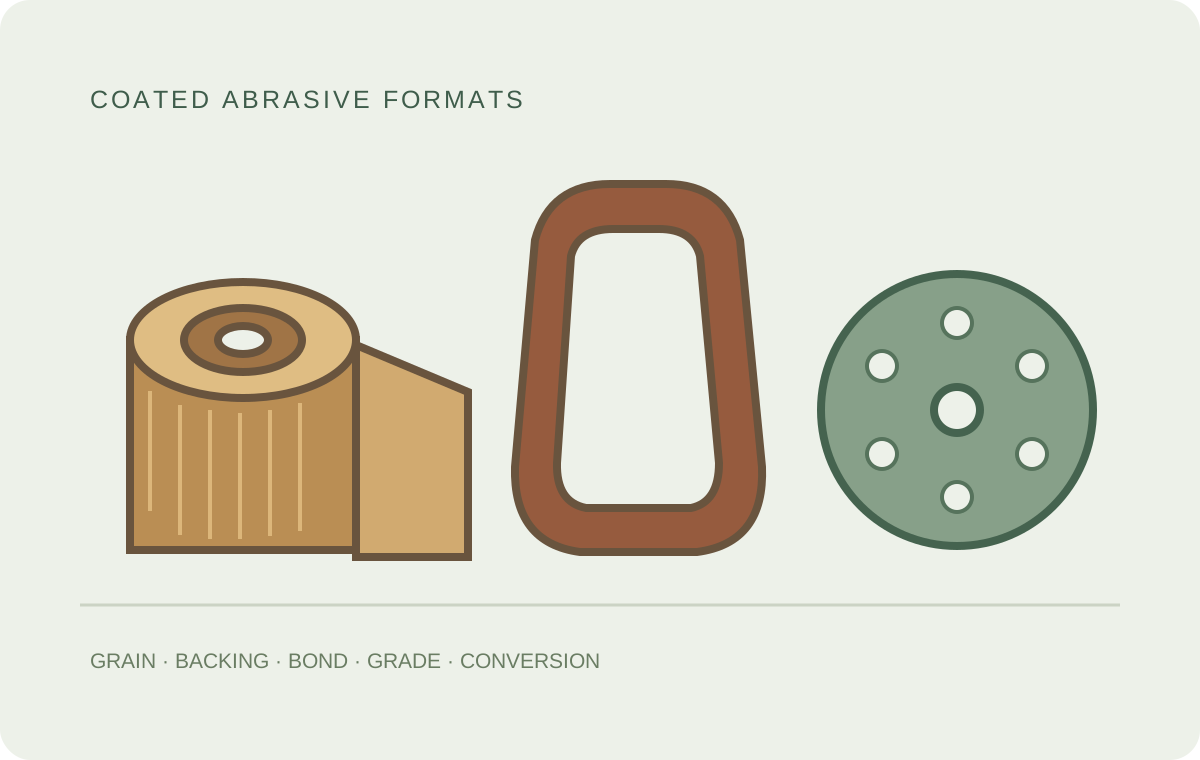
Coordinate abrasive cloth, belts, paper, film, mesh, flap and fibre disc requirements with material-specific references, samples and packing review.
Explore this service ↗Information basis: published product information reviewed . Reference details support a sourcing discussion. Current supply, samples and product-specific documents are confirmed for the selected item.