Independent B2B sourcing · One trading contactkunhuow@gmail.com ↗
FACTORY SOURCING HUBProduct sourcing for business buyers
Get a quote ↗
Home/Cables & Electrical Hardware/Copper Cable Lugs, Crimp Terminals, Ferrules & Tools Sourcing
COPPER LUGS · INSULATED TERMINALS · FERRULES · CRIMP TOOLS

Cable Lugs & Terminals Matched to Your Connection

Copper Cable Lugs, Crimp Terminals, Ferrules & Tools Sourcing

Source tubular cable lugs, insulated and bare terminals, ferrules, splice sleeves, compression connectors, crimp tools and drawing-based copper parts with a coordinated technical enquiry.

  • Compare barrel, palm, insulation and wire-fit options across terminal families.
  • Match ferrules, joining sleeves and tools to the actual conductor and drawing.
  • Coordinate custom shapes, material evidence, samples, inspection and packaging.

Manufacturing, product documents and order conditions depend on the model and supply route selected for your project.

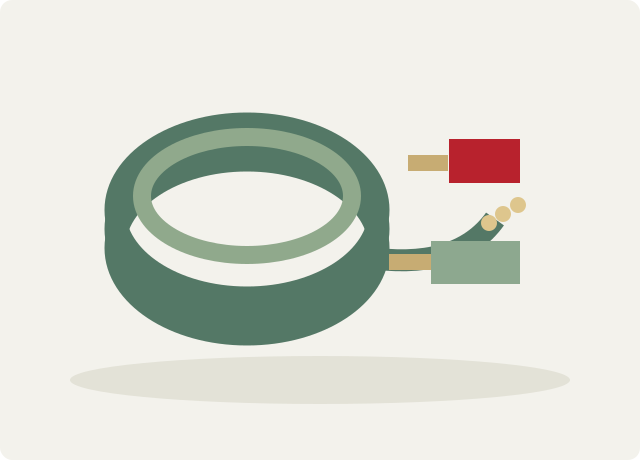
Illustration of ring lugs, fork terminals and a wire-end ferrule
Category illustration. Match the conductor, terminal drawing, insulation, mating connection and crimp tooling for the selected assembly.

Start with a product reference, intended use and estimated quantity. We bring product selection, sample questions and quotation details into one conversation.

Email your reference image ↗
Core rangeTubular copper lugs and bare or insulated crimp terminals
Connection optionsRings, forks, pins, ferrules, splices and selected disconnects
Related sourcingCrimp tools, cutters, copper materials and formed parts
Quotation basisConductor, drawing, quantity, destination and required documents
Explore the product range

Build the range
your buyers need.

Choose a focused product or discuss a coordinated assortment. Each direction can be developed into a more specific model and packaging brief.

Straight copper tube lugs

Compare straight tubular copper lugs with selected barrel length, palm width, hole arrangement and inspection-hole options. Define conductor construction, termination layout and crimp tooling with the drawing.

Enquire about this range ↗

Angled, narrow and extended terminals

Include angled palms, narrow or widened heads, longer palms, flared barrels, flat openings, stepped terminals and selected double-bend directions. Fit, orientation, clearances and forming details need an approved drawing.

Enquire about this range ↗

International-reference lug designs

Discuss selected tubular or sheet-copper references associated with German, Japanese and American dimensional systems. Specify the required standard, conductor and supporting documents for the actual item.

Enquire about this range ↗

Two-hole and special barrel lugs

Compare disclosed two-hole palms, selected twin-barrel or twin-hole forms, inspection-free barrels and enlarged-entry designs. Hole pitch, palm, barrel and cable dimensions are selected together.

Enquire about this range ↗

Bare ring, fork and pin terminals

Include non-insulated ring and fork terminals, round or flat pin directions and selected special crimp shapes. Match the conductor, connection point and tooling to the actual terminal drawing.

Enquire about this range ↗

PVC-insulated ring and fork terminals

Discuss pre-insulated ring and fork terminals with selected wire ranges and colour directions. Agree the insulation, crimp, conductor fit and connection dimensions for each configuration.

Enquire about this range ↗

Nylon-insulated terminal options

Compare nylon-insulated ring, fork, selected fully insulated quick-disconnect and butt-splice directions. Material, colour, mating fit and use conditions require individual confirmation.

Enquire about this range ↗

Push-on and quick-disconnect terminals

Include male and female push-on terminals, fully insulated forms and hook or combined male/female directions. Specify mating tab geometry, insulation coverage and wire size.

Enquire about this range ↗

Bullet terminals and pin connections

Compare bullet male/female connectors and insulated pin directions. Match the mating arrangement, conductor, contact dimensions, insulation and assembly method.

Enquire about this range ↗

Single-wire and twin-wire ferrules

Plan bare or insulated ferrules and twin-wire sleeves with the required conductor area, sleeve length and colour system. Confirm the colour convention and actual conductor construction.

Enquire about this range ↗

Bare and insulated splice sleeves

Include several straight joining-sleeve formats, with bare, PVC-insulated or nylon-insulated directions. Define conductor combination, barrel dimensions, stop or entry arrangement and crimp method.

Enquire about this range ↗

C-shaped compression connectors

Discuss disclosed C-shaped copper compression connectors against the connection layout. Cable combinations, connector geometry, surface treatment and approved tooling are confirmed for the project.

Enquire about this range ↗

Closed-end, twist-on and insulating accessories

Include closed-end connectors, screw-on wire connectors, soft insulating sleeves and selected wire-clip directions. Electrical suitability and wire combinations need a current product specification.

Enquire about this range ↗

Crimping tools and cable cutters

Match disclosed crimp tools, ferrule tools and copper-cable cutters to the chosen terminal and conductor. Specify required dies, crimp shape, conductor construction, working range and verification requirements.

Enquire about this range ↗

Copper materials and formed parts

Include disclosed copper tube, strip, sheet, flat bar, rod, hexagonal-bar and selected shaped copper-part enquiries. Grade, dimensions, condition, surface and order tolerances are agreed individually.

Enquire about this range ↗

Custom terminal and stamped-part projects

Prepare drawing-based enquiries for winding terminals, widened two-hole sheet terminals, formed tabs, slotted forms and other disclosed nonstandard shapes. New tooling and validation requirements are reviewed for the design.

Enquire about this range ↗

Copper–aluminium transition lug enquiries

Selected disclosed transition-lug listings can be considered as a project direction. Confirm the actual two-metal construction, conductor interface, joining method and current technical evidence before selection.

Enquire about this range ↗

Reference product directions

Start with a product.
Define the details.

Use these options to describe what you are buying. The public references identify your enquiry; the final model and specification are confirmed before an order.

Straight tubular copper lug sourcing illustration
REFERENCE 0221-01

Straight tubular copper lug

Selected straight-lug direction with a tinned copper body. Confirm conductor fit, palm, hole, barrel and crimp requirements.

Direction
Straight palm, tubular barrel
Quotation details
Conductor, connection hole, barrel and tooling
Discuss this option ↗
Angled tubular lug sourcing illustration
REFERENCE 0221-02

Angled tubular lug

Compare the disclosed angled palm directions against the installation clearances and cable approach.

Angle directions
45° and 90° references
Selection basis
Current drawing and terminal orientation
Discuss this option ↗
Inspection-hole and closed-barrel directions sourcing illustration
REFERENCE 0221-03

Inspection-hole and closed-barrel directions

Compare the selected tubular-lug formats with and without an inspection hole. Agree the cable and crimp specification for the exact design.

Options
Selected inspection-hole or no-inspection-hole barrel
Selection basis
Conductor, entry, palm and crimp geometry
Discuss this option ↗
Flared-entry and straight-entry lugs sourcing illustration
REFERENCE 0221-04

Flared-entry and straight-entry lugs

Include disclosed flared or bell-mouth tubular references and selected straight-entry versions.

Entry directions
Selected straight or flared entry
Project details
Conductor construction, entry diameter, barrel and palm
Discuss this option ↗
German tubular-reference direction sourcing illustration
REFERENCE 0221-05

German tubular-reference direction

Discuss the selected tubular-lug reference with the applicable dimensional standard and requested qualification file.

Published standard reference
DIN 46235
Selection basis
Exact drawing, conductor and required documents
Discuss this option ↗
German sheet-terminal direction sourcing illustration
REFERENCE 0221-06

German sheet-terminal direction

Selected sheet-copper terminal direction for a specified connection and crimp design.

Published standard reference
DIN 46234
Selection basis
Exact drawing and connection requirements
Discuss this option ↗
American wire-system reference sourcing illustration
REFERENCE 0221-07

American wire-system reference

Compare the disclosed American wire-size reference against the buyer’s conductor and connection schedule.

Size-system direction
AWG reference
Selection basis
Conductor construction, barrel and hole geometry
Discuss this option ↗
Two-hole and special-palm lug directions sourcing illustration
REFERENCE 0221-08

Two-hole and special-palm lug directions

Include two-hole palms, selected twin-barrel forms and special wide or narrow profiles in a drawing-based enquiry.

Directions
Two-hole, twin-barrel, widened or narrow forms
Project details
Hole pattern, palm clearances and barrel arrangement
Discuss this option ↗
Bare ring-terminal reference sourcing illustration
REFERENCE 0221-09

Bare ring-terminal reference

Selected non-insulated ring terminal with an explicitly published wire range. Drawing and tooling confirmation are required.

Published wire range
0.25–1.65 mm² / AWG 22–16
Insulation direction
Non-insulated
Discuss this option ↗
Bare fork-terminal reference sourcing illustration
REFERENCE 0221-10

Bare fork-terminal reference

Selected non-insulated fork terminal with a published wire range. Confirm fork opening and connection-point fit.

Published wire range
0.25–1.65 mm² / AWG 22–16
Insulation direction
Non-insulated
Discuss this option ↗
PVC-insulated ring reference sourcing illustration
REFERENCE 0221-11

PVC-insulated ring reference

Selected red ring-terminal reference. Colour and wire range apply to this reference only.

Published wire range
0.25–1.65 mm² / AWG 22–16
Published colour
Red
Insulation direction
PVC
Discuss this option ↗
PVC-insulated fork reference sourcing illustration
REFERENCE 0221-12

PVC-insulated fork reference

Selected red fork-terminal reference. Check fork geometry, crimp and insulation for the intended conductor.

Published wire range
0.25–1.65 mm² / AWG 22–16
Published colour
Red
Insulation direction
PVC
Discuss this option ↗
Nylon-insulated ring reference sourcing illustration
REFERENCE 0221-13

Nylon-insulated ring reference

Selected red nylon-insulated reference. The cover material is distinct from the PVC directions.

Published wire range
0.25–1.65 mm² / AWG 22–16
Published colour
Red
Insulation direction
Nylon
Discuss this option ↗
Male and female push-on directions sourcing illustration
REFERENCE 0221-14

Male and female push-on directions

Compare disclosed male and female terminals with the required mating tab and insulation arrangement.

Directions
Male, female and fully insulated variants
Selection basis
Tab geometry, conductor, insulation and mating fit
Discuss this option ↗
Fully insulated female reference sourcing illustration
REFERENCE 0221-15

Fully insulated female reference

Selected red female quick-disconnect reference with a published stranded-wire range. Confirm the mating tab and terminal drawing.

Published stranded-wire range
0.75–1.25 mm² / AWG 18–16
Published colour
Red
Direction
Fully insulated female terminal
Discuss this option ↗
Bullet and pin terminal directions sourcing illustration
REFERENCE 0221-16

Bullet and pin terminal directions

Include male/female bullet connectors, bare pins and selected insulated round or flat pins.

Directions
Bullet connection; bare or insulated pin
Selection basis
Mating dimensions, conductor and crimp method
Discuss this option ↗
Single-wire insulated ferrule reference sourcing illustration
REFERENCE 0221-17

Single-wire insulated ferrule reference

Selected ferrule reference with an explicit dimensional and tolerance table. Choose a current colour convention and drawing.

Published wire area
0.14 mm²
Published overall length
10 mm ±1.5 mm
Published sleeve length
6 mm ±0.5 mm
Discuss this option ↗
Twin-wire ferrule reference sourcing illustration
REFERENCE 0221-18

Twin-wire ferrule reference

Selected twin-wire reference. Wire area is given for each of the two conductors.

Published wire combination
2 × 0.50 mm²
Published overall length
15 mm ±1.5 mm
Published sleeve length
8 mm ±0.5 mm
Discuss this option ↗
Bare joining-sleeve directions sourcing illustration
REFERENCE 0221-19

Bare joining-sleeve directions

Compare several disclosed straight copper joining sleeves. Specify the conductor combination, barrel geometry and crimp requirements.

Directions
Several straight splice-sleeve constructions
Quotation details
Wire combination, entry, stop and tooling
Discuss this option ↗
PVC and nylon insulated splices sourcing illustration
REFERENCE 0221-20

PVC and nylon insulated splices

Compare the selected insulation materials and wire schedules for straight joining-sleeve projects.

Insulation directions
PVC or nylon
Selection basis
Conductor construction, splice geometry and crimp specification
Discuss this option ↗
C-shaped copper compression connector sourcing illustration
REFERENCE 0221-21

C-shaped copper compression connector

Selected C-shaped connector direction with alternative geometries. Provide the conductor combination and approved tooling requirements.

Direction
C-shaped copper compression connector
Surface directions
Selected pickled or tinned option; confirm item
Discuss this option ↗
Closed-end and screw-on connector directions sourcing illustration
REFERENCE 0221-22

Closed-end and screw-on connector directions

Include disclosed closed-end and twist-on connector requests with the exact wire combination and required technical documents.

Formats
Closed-end or screw-on connector
Confirm individually
Wire combinations, electrical rating, material and use conditions
Discuss this option ↗
Soft insulation and wire-clip accessories sourcing illustration
REFERENCE 0221-23

Soft insulation and wire-clip accessories

Coordinate soft insulating sleeves or selected clips with the terminal drawing and required assembly.

Directions
Soft insulating sleeve; selected wire clip
Selection basis
Fit, insulation, conductor and assembly schedule
Discuss this option ↗
Small ferrule crimp-tool reference sourcing illustration
REFERENCE 0221-24

Small ferrule crimp-tool reference

Selected tool table gives discrete ferrule positions rather than a universal continuous range. Confirm dies and the exact ferrule compatibility.

Published DIN terminal-area positions
0.5, 0.75, 1.0, 1.5, 2.5, 4.0 mm²
Terminal direction
Insulated or non-insulated pin ferrules
Discuss this option ↗
Larger ferrule crimp-tool reference sourcing illustration
REFERENCE 0221-25

Larger ferrule crimp-tool reference

A separate tool reference lists larger discrete ferrule positions. Confirm crimp profile and compatibility.

Published DIN terminal-area positions
6.0, 10, 16 mm²
Terminal direction
Insulated or non-insulated pin ferrules
Discuss this option ↗
Cable cutters and other crimp tools sourcing illustration
REFERENCE 0221-26

Cable cutters and other crimp tools

Include the disclosed cutter and crimp-tool directions with conductor construction, die requirements and the intended terminal list.

Tool directions
Cable cutters; selected manual crimp tools
Selection basis
Current tool capacity and terminal/conductor compatibility
Discuss this option ↗
Copper stock and shaped-part projects sourcing illustration
REFERENCE 0221-27

Copper stock and shaped-part projects

Discuss disclosed copper-material directions and selected formed pieces for an agreed drawing and material schedule.

Material formats
Tube, strip, sheet, flat bar, rod and selected shaped forms
Quotation details
Grade, condition, dimensions, tolerances and finish
Discuss this option ↗
Custom formed and stamped terminals sourcing illustration
REFERENCE 0221-28

Custom formed and stamped terminals

Include nonstandard bent, slotted, flattened, winding and battery-contact directions without assuming performance from a photograph.

Project basis
Buyer drawing, material and connection schedule
Development details
Tooling, sample, fit and test requirements
Discuss this option ↗
Copper–aluminium transition request sourcing illustration
REFERENCE 0221-29

Copper–aluminium transition request

A disclosed marketplace direction can support an initial transition-lug enquiry. Obtain the current construction, joining process, conductor fit and supporting reports.

Project direction
Copper–aluminium transition lug
Required confirmation
Actual material build and current technical specification
Discuss this option ↗

Examples are selected published product directions. Several source tables use earlier catalogue or part-number editions, so drawings, tolerances and present availability are confirmed for the actual order. Wire ranges and dimensional values apply only to the matched reference. Conductor class, tool, mating connection and required tests govern suitability.

What matters for this category

A better brief.
A clearer comparison.

Focus the sourcing conversation on the features, materials and production details that make a difference to your product range.

01

Coordinate the connection and tooling

Prepare a terminal list with conductor construction, barrel or insulation needs, connection geometry and crimp method. This helps compare the terminal, ferrule and tooling as a complete connection requirement.

02

Compare standard references and custom forms

Straight, angled, flared, narrow, widened, twin-wire and drawing-based options create several starting points. A clear dimensional drawing distinguishes similar-looking terminals and reduces fit uncertainty.

03

Include copper materials and inspection priorities

Bring material grade, surface treatment, forming requirements and requested inspection records into the enquiry. Selected copper-stock and shaped-part directions can be assessed with the terminal requirements.

Branding, configuration & packaging

Make the product
fit your programme.

Bring artwork, reference samples and a target cost. The available process, minimum quantity, sample charges and development scope are reviewed for the chosen option.

01

Drawings and special geometry

Submit the barrel, palm, holes, bend direction, entry and material requirements. Nonstandard forms, selected stamped parts and tooling requests are assessed for feasibility and drawing approval.

02

Samples and crimp validation

Request samples or a first article for the exact terminal and conductor combination. Agree dimensions, fit, tooling, crimp checks and required electrical or mechanical tests; availability and charges are confirmed individually.

03

Colour, identification and packaging

Specify insulation material, colour convention, identification and quantity by item. Agree packaging, count verification, labels, protection against damage or contamination and shipping arrangements in the quotation.

Quality & product evidence

Turn requirements
into checks.

Agree which product characteristics need testing and how the approved sample relates to the bulk order.

01

Material and dimensional control

Define copper grade, surface finish, insulation material, dimensions and tolerance checks for the selected item. Ask for applicable material evidence rather than assuming a purity percentage from a generic description.

02

Connection-specific acceptance

Agree conductor preparation, terminal fit, crimp tool and die, crimp geometry and acceptance tests. Pull-out, resistance, temperature-rise or environmental requirements need an agreed method and relevant evidence.

03

Inspection through packing

Set incoming-material, in-process and final inspection priorities along with quantity, identification and packing checks. Sampling plans and any independent inspection are agreed for the order.

Test capability is a starting point for the inspection plan. Request the method, applicable model and results needed for your order.

Documents matched to the order

Ask for evidence
that fits the product.

The most useful enquiry connects the conductor and terminal drawing with tooling, acceptance tests and the destination requirements. Send the connection schedule and the evidence your buyer needs.

State the sales market, intended users and required files in your first enquiry. Current validity and scope are checked for the selected supplier and product; a category description does not certify every item.

Share your document requirements ↗
Drawing, conductor and tooling schedule
Provide terminal geometry, wire size and class, insulation, finish, mating dimensions and the intended crimp tool. Request the current drawing and any tool or die compatibility information.
Product-specific supporting evidence
List the required material declarations, restricted-substance reports, electrical or mechanical tests and destination requirements. Check the exact item, material, test date and report scope.
Commercial and shipment agreement
Confirm quantities by item, sample or tooling terms, packaging, labels, inspection, shipping basis and delivery schedule. Order terms are confirmed in the quotation rather than taken from older listings.
Built around how you sell

Different buyers.
Different specifications.

Your sales channel changes the assortment, packaging and quality priorities. Tell us the intended use as well as the product name.

01

Control panels and electrical equipment

Terminal and joining-sleeve enquiries for control cabinets, transformer connections, electrical equipment and associated wiring schedules.

02

Harness and connection assemblies

Bare or insulated rings, forks, disconnects, pins and ferrules selected around conductor construction, mating fit, tooling and inspection requirements.

03

Power and specialist connection projects

Drawing-based lug, compression-connector and copper-part requests for specified power, communication or renewable-energy applications, subject to individual qualification.

From first brief to a defined order

One contact.
A practical next step.

Samples, commercial terms and responsibilities are agreed for the project. Use the same product and packing specification when comparing quotations.

01

Share the requirement

Product, reference image, quantity, sales market and timing.

02

Compare suitable options

Review configuration, materials, sample scope and relevant documents.

03

Approve the specification

Agree artwork, packaging, sample, testing and inspection criteria.

04

Confirm the order plan

Set price, payment, production, delivery and defect remedies in writing.

Buyer questions

Before you send
your first enquiry.

Practical answers about this sourcing direction, customization and the reference options. Your agreed specification and written quotation determine the actual order.

Which terminal families can I request?

The range includes tubular lugs, bare and insulated rings or forks, pins, ferrules, push-on and bullet connectors, splice sleeves, compression connectors and selected wiring accessories. Tools and copper-part enquiries can be included.

Can you assess a special lug or formed copper part?

Send the drawing, material, finish, conductor, connection point, tolerances and quantity. Tooling, feasibility, samples and any validation requirements are reviewed for that design.

How do I choose the correct terminal size?

Provide the conductor area and construction, insulation, connection-hole or tab geometry and required crimp method. Confirm the selected drawing and tooling rather than relying only on a familiar terminal designation.

Can I request PVC or nylon insulation?

Both directions are disclosed for selected terminal families. Confirm the actual item, insulation material, colour convention, use conditions and required documents in the enquiry.

Are ferrule colours interchangeable?

Colour systems vary by selected reference. Specify conductor area, single or twin-wire arrangement, sleeve length and the required colour convention so the quotation matches your assembly.

Are the tools compatible with every terminal?

Compatibility needs confirmation for the chosen terminal, conductor and crimp profile. Some references list discrete size positions; request the applicable tool and die schedule and agreed crimp checks.

Do all products have the same certifications or ratings?

Evidence depends on the item and material. Specify the destination and required tests or declarations, then request documents covering the selected product and present configuration.

What are the MOQ, sample cost and delivery time?

These are confirmed by item, quantity, modifications, tooling, inspection and packaging. Include your target quantity, destination and schedule to obtain a specific quotation.

Who handles my enquiry?

Factory Sourcing Hub handles this enquiry as an independent sourcing and trading service. The product route, supplier suitability, sample scope and order responsibilities are agreed for the actual project.

How do I get a price and order minimum?

Send the product reference, quantities per variation, customization and packaging. Prices, minimums, sample charges and delivery dates are confirmed in a current quotation; the page is not a live inventory or price feed.

Can I discuss samples and inspection before ordering?

Yes. State whether you need a reference sample, a customized sample or development work. Agree the sample cost and shipping, approval specification, inspection plan and remedy for non-conforming goods before the bulk order.

What should I attach to my email?

Reference images, drawings, logo artwork and a product list are useful. Include quantities, the intended users and sales market, packaging, required documents and timing. After submitting the form, email attachments to kunhuow@gmail.com with your enquiry reference.

Tell us what you are planning

Your next order
starts with a brief.

A reference picture or a short description is enough to begin. Add the details you already know; the optional fields help make the follow-up more useful.

  • Conductor area and construction, insulation and the intended connection or mating part.
  • Current drawing: barrel, palm, holes, bends, entry, material, finish and tolerances.
  • Item quantities, sample or tooling needs, colour convention, labels and packaging.
  • Destination, required test or material documents, inspection and target delivery.
kunhuow@gmail.com

Download the enquiry checklist ↓

Independent sourcing and trading service. Supplier choice, service costs and order conditions are discussed for your project.

Discuss your requirements.

Product selection, customization, samples and quotation enquiries.

Add product, quantity or customization details (optional)

Submit your enquiry directly. We use your details to respond to your sourcing request. For attachments, email kunhuow@gmail.com with your enquiry reference. Enquiry data use.

Information basis: published product information reviewed . Reference details support a sourcing discussion. Current supply, samples and product-specific documents are confirmed for the selected item.

Have a product in mind?
Share your sourcing brief.
Send an enquiry ↗