Independent B2B sourcing · One trading contactkunhuow@gmail.com ↗
FACTORY SOURCING HUBProduct sourcing for business buyers
Get a quote ↗
Home/Cables & Electrical Hardware/Tool Switches, Industrial Plugs, Circuit Protection & Motor Controls Sourcing
TOOL CONTROLS, INDUSTRIAL CONNECTIONS, BREAKERS, MOTOR CONTROL & WALL SWITCHES

Develop a complete switching and connection brief Match controls, protection and outlets to the application

Tool Switches, Industrial Plugs, Circuit Protection & Motor Controls Sourcing

Source AC/DC tool switches, electromagnetic and equipment controls, motor-control boards, industrial plugs and sockets, portable distribution boxes, circuit breakers, residual-current protection, contactors, starters and domestic wall switches.

  • Compare tool-switch mechanisms and electronic controls against the actual motor and wiring.
  • Coordinate industrial plugs, interlocked sockets, boxes and regional outlets in one brief.
  • Define protection, isolation, control, documents and sample approval by exact configuration.

Manufacturing, product documents and order conditions depend on the model and supply route selected for your project.

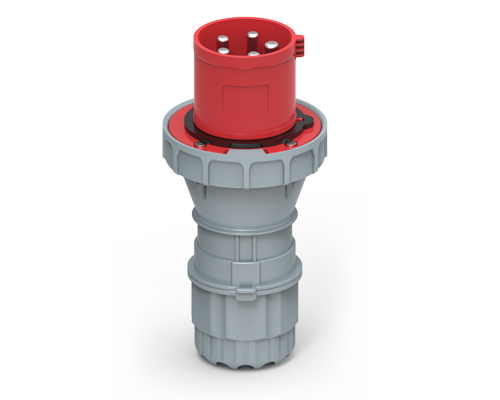
Original product reference showing a red and grey industrial plug
Original product appearance reference. Confirm the exact version, dimensions, electrical duty, accessories and installation requirements in the quotation.

Start with a product reference, intended use and estimated quantity. We bring product selection, sample questions and quotation details into one conversation.

Email your reference image ↗
Tool controlsTriggers, rockers, micro, toggle, key and magnetic switches
Industrial connectionsPlugs, connectors, flanged/interlocked outlets and distribution
Protection and controlMCB, MCCB, RCCB, RCBO, AFDD, starters and controllers
Project inputsLoad, motor, circuit, interfaces, approval and quantity
Explore the product range

Build the range
your buyers need.

Choose a focused product or discuss a coordinated assortment. Each direction can be developed into a more specific model and packaging brief.

Cordless-tool trigger and signal switches

Compare integrated DC variable-speed, electronic-control and signal-switch directions for battery tools. Define battery system, motor, current, reversing arrangement, trigger travel and protection features for the selected assembly.

Enquire about this range ↗

AC trigger and variable-speed switches

Explore trigger, multi-function and variable-speed directions for drills, hammers, mixers and similar tools. Waveform, locking, wiring and control behaviour must match the motor and appliance.

Enquire about this range ↗

Pushbutton, push-pull and rocker controls

Select actuator style, pole arrangement, illumination, curved or rocker form and terminal layout. Emergency-stop and command functions require a defined circuit and suitable component selection.

Enquire about this range ↗

Toggle, micro and key-operated switches

Compare toggle, snap-action micro and key-lock directions with an exact mounting drawing. Specify contact action, actuator travel, terminals and the required locked or unlocked behaviour.

Enquire about this range ↗

Hoist and pendant controls

Prepare handheld start, stop, emergency-stop and up/down control requirements. Utilisation category, control voltage, wiring, enclosure and machine safety design need independent approval.

Enquire about this range ↗

Electromagnetic and combined machine switches

Explore power-loss/undervoltage release, combined switch-and-plug and relay arrangements for woodworking, garden and floor-standing machines. Braking and overload combinations are separate versions.

Enquire about this range ↗

Guard and limit-switch directions

Enquire about removable-key interlock and limit-switch constructions with the required actuator and mounting. Selection follows the machine risk assessment and validated control architecture.

Enquire about this range ↗

Pressure and pump switches

Compare compressor pressure-control and pump-switch directions against cut-in/cut-out pressure, medium, connection and electrical duty. No common pressure range is assumed across the family.

Enquire about this range ↗

Motor-control circuit boards

Include speed, soft-start, feedback and brake-controller directions. Motor type, input, cooling, enclosure, EMC and protection settings need to be matched as one system.

Enquire about this range ↗

Miniature and moulded-case breakers

Develop AC, DC or photovoltaic MCB and MCCB requirements around current, poles, trip characteristics and breaking capacity. An AC rating does not establish DC duty.

Enquire about this range ↗

Residual-current and arc-fault devices

Compare RCCB, electronic or electromagnetic RCBO, Type B residual-current and arc-fault directions. Define waveform type, sensitivity, poles and overcurrent functions for each article.

Enquire about this range ↗

Contactors and overload relays

Coordinate coil supply, utilisation duty, auxiliary contacts and overload selection. Contactors, thermal overload relays and short-circuit protection perform different circuit roles.

Enquire about this range ↗

Motor protection and modular starters

Compare motor-protection breakers, circuit protectors, electromagnetic starters and modular controls. Confirm adjustment range, contactor coordination, reset and enclosure requirements.

Enquire about this range ↗

Industrial plugs, connectors and sockets

Specify industrial interfaces, poles, voltage, clock position and current. Wall-mounted, flanged, cord and interlocked formats must match the mating and installation arrangement.

Enquire about this range ↗

Modular and portable distribution assemblies

Build an enclosure schedule with circuit protection, industrial or domestic outlets and interlocks. Arrangement, wiring, environmental rating and inspection belong to the completed assembly.

Enquire about this range ↗

Regional outlets and cord interfaces

Compare US cord connectors and plugs, European-style flanged sockets, British-style and other regional outlets. Select the exact interface and destination documents rather than assuming universal compatibility.

Enquire about this range ↗

Portable residual-current protection

Explore in-line PRCD and GFCI forms with different plug directions, test/reset and restart behaviour. Confirm ratings and protection functions for the selected device.

Enquire about this range ↗

Equipment disconnectors and changeover switches

Prepare isolation, rotary, cam and universal changeover requirements with a contact sequence and drawing. Rail, screw, door and enclosed options need their own installation review.

Enquire about this range ↗

Photovoltaic DC isolation

Define actual PV voltage/current duty, wiring, utilisation category and enclosure. Maximum values from different contact configurations must not be combined into one rating.

Enquire about this range ↗

Equipment protection, terminals and command devices

Include equipment breakers, motor protectors and associated terminal or control-device requirements. State thermal, overcurrent, reset, signalling or command functions and obtain current item data.

Enquire about this range ↗

Domestic wall switches and sockets

Develop surface- or flush-mounted wall-switch and outlet requirements around function, regional format, mounting box, finish and colour. Collection names do not define a shared electrical rating.

Enquire about this range ↗
Reference product directions

Start with a product.
Define the details.

Use these options to describe what you are buying. The public references identify your enquiry; the final model and specification are confirmed before an order.

Integrated cordless-tool trigger direction sourcing illustration
REFERENCE 0219-01

Integrated cordless-tool trigger direction

Compare reversing, soft-start, temperature monitoring and braking options against the actual battery and motor. Confirm the functions included in the offered version.

Listed functions
Soft start, reversing, battery indication and voltage/current/temperature monitoring
Dust-protection direction
IP50
To specify
Battery, motor, current, heat sink and wiring
Discuss this option ↗
AC variable-speed trigger direction sourcing illustration
REFERENCE 0219-02

AC variable-speed trigger direction

Select the output construction for the intended tool. Locking and multi-speed features are optional.

Contact direction
Single-pole normally-open
Output directions
Full-wave, half-wave or without variable speed
Terminations
Quick connection or screw
Discuss this option ↗
Multi-pole pushbutton direction sourcing illustration
REFERENCE 0219-03

Multi-pole pushbutton direction

Compare actuator shapes and terminal arrangements before approving a drawing. Electrical ratings remain variant-specific.

Pole options
1, 2, 3 or 4
Terminations
Tab, screw or solder
Actuator options
Different shapes and heights
Discuss this option ↗
Illuminated or plain rocker direction sourcing illustration
REFERENCE 0219-04

Illuminated or plain rocker direction

The protected panel-face direction does not imply the same protection behind the panel.

Contact functions
DPST or DPDT
Illumination
With or without light
Panel-face direction
Up to IP65, selected construction
Discuss this option ↗
Key-operated switch direction sourcing illustration
REFERENCE 0219-05

Key-operated switch direction

Agree the required key-removal and lock sequence with the circuit design.

Contact options
SPST, DPST, SPDT or DPDT
Terminations
Tab or screw
To define
Key-removal behaviour
Discuss this option ↗
Toggle and micro-switch directions sourcing illustration
REFERENCE 0219-06

Toggle and micro-switch directions

Prepare mounting and actuator requirements. Approve the exact contact diagram and ratings.

Toggle options
1–4 poles; tab, screw or solder terminals
Micro-switch options
Alternative actuators and terminals
To define
Travel, force and contact action
Discuss this option ↗
Handheld hoist-control reference sourcing illustration
REFERENCE 0219-07

Handheld hoist-control reference

Compare the labelled utilisation category. Complete pendant and machine safety functions require engineering approval.

Insulation voltage Ui
690 V
Thermal current Ith
16 A
AC-15 reference
400 V, 8 A; 250 V, 10 A
DC-13 reference
24 V, 2 A
Enclosure direction
IP65
Discuss this option ↗
Electromagnetic machine-switch direction sourcing illustration
REFERENCE 0219-08

Electromagnetic machine-switch direction

Specify power-loss release and contact arrangement. Braking and overload combinations are separately selected.

Directions
Double-pole cut-off or braking-related version
Coordination option
Overload-protection switch
To approve
Coil, contacts and wiring
Discuss this option ↗
Combined machine switch-and-plug direction sourcing illustration
REFERENCE 0219-09

Combined machine switch-and-plug direction

Explore the appropriate plug, switching and emergency-stop arrangement. Confirm supply and overall assembly approval.

Directions
Electromagnetic switch or relay; plug options
Enclosure direction
PVC housing
To define
Supply, contacts and stop arrangement
Discuss this option ↗
Guard-interlock and pressure-control directions sourcing illustration
REFERENCE 0219-10

Guard-interlock and pressure-control directions

These distinct families require their own sheets. Guard actuation and compressor pressure switching are separate selection tasks.

Interlock direction
Removable control key
Pressure direction
Compressor cut-in/cut-out control
To define
Actuator/circuit or pressure/connections
Discuss this option ↗
Single-phase motor brake-board reference sourcing illustration
REFERENCE 0219-11

Single-phase motor brake-board reference

Evaluate the stated brake interval and current with the actual motor, inertia and cooling.

Input
220–240 V, 50/60 Hz
Motor power
0.5–2.2 kW
Listed brake time
12 s
Adjustable brake-current ceiling
16 A
Listed function
Power-off protection
Discuss this option ↗
Soft-start speed-feedback board reference sourcing illustration
REFERENCE 0219-12

Soft-start speed-feedback board reference

A phase-control direction for AC series motors. Specify step or linear adjustment and optional restart protection.

Input
220–240 V, 50 Hz
Power range
0.5–1.5 kW
Soft-start time
≤5 s; motor/load dependent
Adjustment
1–6 steps or linear
Feedback
Speed feedback
Restart protection
Optional
Discuss this option ↗
AC miniature-breaker reference sourcing illustration
REFERENCE 0219-13

AC miniature-breaker reference

Compare the published AC duty and the selected trip and pole arrangement. Verify capacity notation and a current sheet before selection.

Frequency
50/60 Hz
Rated voltage
230/400 V AC
Description current reference
63 A
Capacity heading
10 kA; verify test basis and variant
Discuss this option ↗
Type B residual-current direction sourcing illustration
REFERENCE 0219-14

Type B residual-current direction

A residual-current breaker direction with its own waveform and installation duty. It does not inherit overcurrent protection from an RCBO.

Listed voltage
230 V AC
Pole direction
1P+N
Current ceiling
63 A
To confirm
Sensitivity, waveform scope and matching standards
Discuss this option ↗
Compact electronic RCBO direction sourcing illustration
REFERENCE 0219-15

Compact electronic RCBO direction

A narrow DIN-rail electronic device with overcurrent protection. Neutral arrangement is selection-critical.

Pole direction
1P+N
Listed width
18 mm
Neutral description
Connected neutral; not switched
To define
Current, sensitivity, curve and breaking duty
Discuss this option ↗
Arc-fault detection direction sourcing illustration
REFERENCE 0219-16

Arc-fault detection direction

Compare the listed combined protective functions and request device-specific approval.

Directions
Arc-fault detection with overcurrent functions
To define
Voltage, current, poles and installation
Documents
Exact offered-device sheet and test scope
Discuss this option ↗
Motor-protection breaker direction sourcing illustration
REFERENCE 0219-17

Motor-protection breaker direction

Select an actual adjustment range and coordinate contactor, relay and short-circuit duty.

AC voltage ceiling
690 V
Current ceiling
45 A
Frame directions
32 A or 45 A
Accessories
Auxiliary/alarm contacts and trip modules
Discuss this option ↗
Mini-contactor reference sourcing illustration
REFERENCE 0219-18

Mini-contactor reference

Select the exact coil and utilisation duty. The listed voltage/current figures are not universal switching duties.

Current directions
5, 9 or 12 A
Voltage reference
690 V
Touch-protection direction
IP2X
Ambient range
−25 to +60°C
Discuss this option ↗
Overload-relay reference sourcing illustration
REFERENCE 0219-19

Overload-relay reference

Compare phase-loss sensitivity and reset mode. Select the adjustment range for the motor.

Frequency
50/60 Hz
Description voltage scope
Up to 690 V AC; below 440 V DC
Trip class
10/10A
Auxiliary contacts
1 NO + 1 NC
Reset
Manual or automatic selection
Discuss this option ↗
Industrial plug direction sourcing illustration
REFERENCE 0219-20

Industrial plug direction

Specify the mating interface and complete installation conditions for the selected plug.

Current options
16, 32, 63 or 125 A
Protection direction
IP67
To define
Poles, voltage, frequency and mating format
Discuss this option ↗
Portable distribution-box direction sourcing illustration
REFERENCE 0219-21

Portable distribution-box direction

Configure sockets and protection around the load. Confirm the complete assembled-box rating.

Options
Overcurrent and residual-current protection
Outlets
Specified industrial plug/socket configuration
To define
Input, outgoing circuits, wiring and enclosure
Discuss this option ↗
Industrial-to-regional outlet adaptor reference sourcing illustration
REFERENCE 0219-22

Industrial-to-regional outlet adaptor reference

Confirm the exact regional format and approved assembly before selecting an outlet adaptor.

Industrial input
3P+N+E, 16 A, 6h
Input voltage
200/346–240/415 V AC, 50/60 Hz
Regional outlets
2 × Danish-format 2P+PE, 16 A, 250 V AC
Protection direction
IP44
Discuss this option ↗
In-line portable residual-current reference sourcing illustration
REFERENCE 0219-23

In-line portable residual-current reference

Confirm the ratings and plug format for this manual-reset direction.

Protection direction
IP66
Ambient range
−25 to +40°C
Controls
TEST, RESET and power indicator
Reset direction
Manual after power interruption
Discuss this option ↗
Interlocked wall socket direction sourcing illustration
REFERENCE 0219-24

Interlocked wall socket direction

Confirm the mating plug, electrical duty and tested construction of the interlocked arrangement.

Interlock behaviour
Switching requires inserted plug; removal follows OFF
Family direction
Wall mounted; isolator interlocked
To define
Current, poles, enclosure and supply
Discuss this option ↗
Enclosed or multi-pole disconnector direction sourcing illustration
REFERENCE 0219-25

Enclosed or multi-pole disconnector direction

Mounting, enclosure and pole arrangements are separate configurations requiring their own duty schedule.

Pole directions
3-pole base; combined 6/8-pole options
Mounting
Screw, rail or door
Protection directions
IP20; enclosed IP67 options
Padlock diameter reference
4–5 mm
Discuss this option ↗
Photovoltaic DC-isolator direction sourcing illustration
REFERENCE 0219-26

Photovoltaic DC-isolator direction

Different series/parallel contact arrangements have different voltage/current duties. Select the actual wiring configuration.

Contact-count directions
2, 4, 6 or 8
To define
PV voltage/current, utilisation category and wiring
Approval
Exact configuration sheet and enclosure
Discuss this option ↗
Rotary cam and equipment-protection directions sourcing illustration
REFERENCE 0219-27

Rotary cam and equipment-protection directions

Prepare a contact sequence for cam switching and a separate protection schedule for equipment breakers.

Directions
Rotary/cam control; equipment breaker
To define
Contact chart, duty, trip/reset and mounting
Discuss this option ↗
Domestic wall-switch and socket brief sourcing illustration
REFERENCE 0219-28

Domestic wall-switch and socket brief

Obtain a current mechanism schedule and mounting dimensions for the selected wall range.

Directions
Wall switches and sockets
Listed example
Single-button SPST, white
To define
Regional interface, mounting box, finish and rating
Discuss this option ↗

Reference values belong to the stated product or configuration and require current confirmation. Switching duties, utilisation categories, contact diagrams, neutral arrangements and enclosure conditions are not interchangeable. A laboratory description or approval logo does not establish certification of the offered item.

What matters for this category

A better brief.
A clearer comparison.

Focus the sourcing conversation on the features, materials and production details that make a difference to your product range.

01

Mechanisms and electronics together

Connect the physical trigger or actuator with the motor-control board, protection requirements and final appliance wiring in one sourcing brief.

02

Connection and protection scope

Compare the industrial interface, enclosure, isolator and protective devices as a coordinated system while keeping every item rating explicit.

03

Useful technical comparisons

Evaluate mounting drawings, contact sequences, electrical duty, reset behaviour, plug compatibility and documents before selecting a sample.

Branding, configuration & packaging

Make the product
fit your programme.

Bring artwork, reference samples and a target cost. The available process, minimum quantity, sample charges and development scope are reviewed for the chosen option.

01

Mechanism and mounting

Provide actuator or panel drawings, contact charts, poles, travel, locking, illumination and terminals. Changed mechanisms need a sample and validation plan.

02

Controllers and assemblies

State motor, supply, load, feedback, cooling, EMC and protection settings. For boxes include the inlet, outlets, devices and wiring diagram.

03

Marking, samples and packing

Request markings, packaging, samples, tooling and inspection for the exact article. Minimum quantities, charges and production timing need a written quotation.

Quality & product evidence

Turn requirements
into checks.

Agree which product characteristics need testing and how the approved sample relates to the bulk order.

01

Match offered configuration

Request current data, drawings and reports for the actual model. Check coil supply, duty category, residual-current type and enclosure conditions.

02

Agree functional checks

Define contact operation, release/reset behaviour, actuation, dimensions and applicable electrical/endurance tests. Include controller response and thermal/EMC evaluation where needed.

03

Review the final assembly

Check mating plugs, enclosure wiring, guard/control circuits and motor protection in the final design. A component function does not establish complete machine safety or assembly compliance.

Test capability is a starting point for the inspection plan. Request the method, applicable model and results needed for your order.

Documents matched to the order

Ask for evidence
that fits the product.

Request a current technical and compliance file for the exact offered article. Match reports to the model, ratings, producer and destination before selecting a production configuration.

State the sales market, intended users and required files in your first enquiry. Current validity and scope are checked for the selected supplier and product; a category description does not certify every item.

Share your document requirements ↗
Technical approval file
Current sheets, contact/wiring diagrams, mounting dimensions, controller input/output details and an approved part or assembly schedule.
Testing and compliance file
Applicable model reports and declarations, inspection criteria, required environmental/endurance tests and destination-specific evidence.
Order and shipment file
Itemised quotation, sample/tooling terms, minimum quantities and timing, packing, labels, weights and shipment documents.
Built around how you sell

Different buyers.
Different specifications.

Your sales channel changes the assortment, packaging and quality priorities. Tell us the intended use as well as the product name.

01

Power tools and appliances

Prepare switching and controller enquiries for cordless or mains tools, tabletop/floor-standing equipment and similar motor-driven appliances.

02

Machinery and industrial distribution

Coordinate machine control, isolation, motor protection and industrial outlets for a defined circuit or distribution assembly.

03

Building and electrical ranges

Compare breakers, residual-current devices, contactors, starters and domestic switches around the intended installation and destination.

From first brief to a defined order

One contact.
A practical next step.

Samples, commercial terms and responsibilities are agreed for the project. Use the same product and packing specification when comparing quotations.

01

Share the requirement

Product, reference image, quantity, sales market and timing.

02

Compare suitable options

Review configuration, materials, sample scope and relevant documents.

03

Approve the specification

Agree artwork, packaging, sample, testing and inspection criteria.

04

Confirm the order plan

Set price, payment, production, delivery and defect remedies in writing.

Buyer questions

Before you send
your first enquiry.

Practical answers about this sourcing direction, customization and the reference options. Your agreed specification and written quotation determine the actual order.

Can you cover battery-tool and mains-tool switches?

Both directions can be included. Provide motor type, voltage, current, trigger travel, reversing, controller and protection requirements.

Which industrial connection formats are included?

Plugs, connectors, wall or flanged sockets, interlocked arrangements, modular or portable boxes and regional cord/outlet interfaces are included. Specify exact poles, voltage, current and mating format.

How do I compare an RCCB and an RCBO?

Define residual-current and overcurrent functions separately. Supply waveform type, sensitivity, poles, current, trip and breaking duty; verify the offered device functions instead of treating the names as interchangeable.

Can I choose a controller only by its power rating?

Motor type, supply, feedback, braking or soft start, cooling, load and EMC also affect the choice. Provide the complete application and approve a matching sample.

Does an IP rating apply to every version?

Protection depends on construction, mating state, enclosure and installation. Some rocker references concern the panel face only. Request the rating and test conditions for the exact article.

Are approval logos and laboratory descriptions enough?

Request documents that match the model, ratings, producer and destination. General laboratory or company statements do not replace the required product evidence.

Can I request a custom actuator or wired assembly?

Send drawings, contact/wiring charts, performance requirements and quantities. Feasibility, tooling, samples, minimum order and timing are confirmed for the selected change.

What is needed for an itemised quotation?

Send the application, supply/motor data, circuit, mounting and interface requirements, documents, quantity, packing and destination.

Who handles my enquiry?

Factory Sourcing Hub handles this enquiry as an independent sourcing and trading service. The product route, supplier suitability, sample scope and order responsibilities are agreed for the actual project.

How do I get a price and order minimum?

Send the product reference, quantities per variation, customization and packaging. Prices, minimums, sample charges and delivery dates are confirmed in a current quotation; the page is not a live inventory or price feed.

Can I discuss samples and inspection before ordering?

Yes. State whether you need a reference sample, a customized sample or development work. Agree the sample cost and shipping, approval specification, inspection plan and remedy for non-conforming goods before the bulk order.

What should I attach to my email?

Reference images, drawings, logo artwork and a product list are useful. Include quantities, the intended users and sales market, packaging, required documents and timing. After submitting the form, email attachments to kunhuow@gmail.com with your enquiry reference.

Tell us what you are planning

Your next order
starts with a brief.

A reference picture or a short description is enough to begin. Add the details you already know; the optional fields help make the follow-up more useful.

  • Application, voltage/current, motor and control functions
  • Circuit/contact chart, mechanical drawing, terminals and mating interfaces
  • Protection duty, documents, environment and sample tests
  • Quantity, marking, packing and shipment destination
kunhuow@gmail.com

Download the enquiry checklist ↓

Independent sourcing and trading service. Supplier choice, service costs and order conditions are discussed for your project.

Discuss your requirements.

Product selection, customization, samples and quotation enquiries.

Add product, quantity or customization details (optional)

Submit your enquiry directly. We use your details to respond to your sourcing request. For attachments, email kunhuow@gmail.com with your enquiry reference. Enquiry data use.

Information basis: published product information reviewed . Reference details support a sourcing discussion. Current supply, samples and product-specific documents are confirmed for the selected item.

Have a product in mind?
Share your sourcing brief.
Send an enquiry ↗