
AC miniature circuit breakers
Compare single-pole, switched-neutral and multi-pole directions around the required current, trip curve, terminal and fault duty. Select a matched device and accessory arrangement.
Enquire about this range ↗Modular Circuit Protection Matched to Your Electrical Schedule
Source AC/DC miniature breakers, RCBO and RCCB residual protection, Type B and EV-related devices, arc-fault protection, modular contactors, surge devices, isolators, changeover switches, bell transformers, indicators, fuse holders and matching accessories.
Manufacturing, product documents and order conditions depend on the model and supply route selected for your project.

Start with a product reference, intended use and estimated quantity. We bring product selection, sample questions and quotation details into one conversation.
Email your reference image ↗Choose a focused product or discuss a coordinated assortment. Each direction can be developed into a more specific model and packaging brief.
Compare single-pole, switched-neutral and multi-pole directions around the required current, trip curve, terminal and fault duty. Select a matched device and accessory arrangement.
Enquire about this range ↗Develop a DC protection schedule with exact pole configuration, voltage, wiring and required interruption duty. A maximum family voltage does not apply to every pole arrangement.
Enquire about this range ↗Compare RCBO directions with the required switched-line/neutral behaviour, waveform type, sensitivity, current and short-circuit duty. Compact size does not establish interchangeable wiring.
Enquire about this range ↗Specify RCCB current, poles, residual-current type, sensitivity and backup protection. Conditional short-circuit withstand is distinct from an RCBO breaking rating.
Enquire about this range ↗Compare Type B residual-current devices and separate EV-related AC/DC residual-current constructions. Define the charging-system architecture and exact function; a component does not establish approval of a complete charging station.
Enquire about this range ↗Evaluate an arc-fault device with its actual combined residual and overcurrent functions. Confirm supply, current, poles, test scope and the installation requirements of the offered article.
Enquire about this range ↗Select control voltage, load utilisation category, contacts, current and module width for lighting, heating or other approved loads. Capacitor-switching duty requires a specifically suitable offered model.
Enquire about this range ↗Prepare system voltage, earthing, protection level, impulse duty and backup protection requirements. MOV and neutral/earth discharge modules have different continuous-voltage and coordination details.
Enquire about this range ↗Compare pole arrangements, continuous current and making/withstand requirements with the intended isolation duty. Approve installation and switching-category details for the exact device.
Enquire about this range ↗Provide the required poles, positions and contact sequence for source or circuit selection. Manual changeover does not imply automatic-transfer functions.
Enquire about this range ↗Specify primary and secondary voltages, VA duty, circuit, enclosure and mounting. Output and load suitability depend on the selected winding configuration.
Enquire about this range ↗Enquire about single- or multi-phase indication, colour, lamp supply and module arrangement. Separate AC and DC supply variants and the required wiring.
Enquire about this range ↗Match fuse size, duty, current, poles and holder configuration. A fuse-holder thermal rating is not the breaking capacity of a complete protective assembly.
Enquire about this range ↗Coordinate auxiliary indication, alarm switches, shunt release and over/undervoltage accessories with the exact breaker family. Confirm mounting and electrical compatibility rather than mixing similar-looking devices.
Enquire about this range ↗Develop pin/fork connection and phase schedules with pitch, conductor section, end protection and rated duty. Handle locks, screw covers and barriers need a matching physical drawing.
Enquire about this range ↗Include distribution-box and related installation requirements with the circuit list, device layout, busbar interfaces, enclosure rating and wiring. Confirm the current offered enclosure and actual producer separately.
Enquire about this range ↗Use these options to describe what you are buying. The public references identify your enquiry; the final model and specification are confirmed before an order.

A line-and-neutral reference with its own listed current steps. Confirm switching behaviour and fault-duty notation for the selected variant.
Select pole count and voltage together in an approved schedule. Accessory compatibility is model-specific.
Choose the actual pole wiring for the system voltage. The stated capacity belongs to the offered DC configuration and its test basis.
A compact switched-line-and-neutral direction. State the actual sensitivity, waveform and curve.
A separate RCBO reference with different ultimate and service breaking figures. Keep those values distinct.
Select time-delay and current options separately. Conditional withstand requires the specified backup protection.
A distinct waveform-selection direction. Confirm the relevant waveform tests and coordinated overcurrent protection.
A listed Type A RCBO direction incorporating a separate DC residual-current detection function. Validate the exact charging-system architecture and matching reports.
Compare this separate residual-only construction with the complete system requirements. Its protective functions must not be assumed identical to a combined RCBO.
Confirm the actual arc-fault, residual and overcurrent functions in the offered configuration and installation.
Select load category and coil separately from the nominal current list. Confirm contact arrangement and module width.
A separate contactor family with additional width/current options. Do not combine its accessories with another family without confirmation.
A specific MOV-column example. Coordinate the neutral/earth path and backup device separately.
Compare a separate discharge class against the required system protection and coordination.
Continuous current, short-time withstand and making duty are different parameters. Select the exact pole and voltage arrangement.
Provide the contact sequence and installation. This construction has its own stated short-time withstand value.
A separate manual device with a different short-time withstand value; do not inherit it across families.
Agree the actual winding diagram, secondary voltage and VA load before selecting the transformer.
Select the AC or DC supply version, LED colour, module arrangement and wiring for the required indication function.
Select the fuse and holder as a matched protective combination. The thermal-current reference alone does not establish interruption capability.
Prepare a matched accessory list with the actual breaker family and control circuit.
Approve pitch, phases, section and end protection against the chosen terminal layout.
References apply to the stated configuration and require current item-specific confirmation. Icu, Ics, conditional short-circuit current, making capacity and short-time withstand are different quantities. Pole arrangements, residual-current types, voltage and control functions are not interchangeable. Samples and matching reports should be approved for the intended installation.
Focus the sourcing conversation on the features, materials and production details that make a difference to your product range.
Build a schedule that distinguishes overload/short-circuit protection, residual operation, arc detection, isolation and surge coordination so devices can be compared against their actual circuit roles.
Include contactors, switching, auxiliary modules, busbars and protective covers with an approved mounting and connection schedule.
Compare AC/A, Type B and separately specified EV-related directions with their actual sensitivity and backup arrangements rather than treating every leakage device as the same product.
Bring artwork, reference samples and a target cost. The available process, minimum quantity, sample charges and development scope are reviewed for the chosen option.
State current, voltage, poles, trip curve, residual waveform/sensitivity, terminals, coil or control supply and mounting. Match accessories to the selected host device.
Provide the circuit diagram, protection coordination, DC pole wiring, busbar layout and enclosure/device list. Distribution-box and capacitor-switching requirements need their own current offered-model confirmation.
Request artwork, labels, sample tests, pack quantities and protective cartons against the exact range. MOQ, sample/tooling charges and production timing need written confirmation.
Agree which product characteristics need testing and how the approved sample relates to the bulk order.
Review the current data sheet, contact/wiring diagram and applicable reports. Confirm residual-current behaviour, neutral switching, control supply and rated fault duty for the offered construction.
Agree functional/endurance, temperature-rise, dielectric, short-circuit or residual-operation tests as appropriate. For arc or EV-related devices request the evidence for their actual claimed functions.
Check backup protection, busbar pitch and capacity, terminal sizing, enclosure conditions and device compatibility. Component test data does not establish compliance of a whole charging station or distribution assembly.
Test capability is a starting point for the inspection plan. Request the method, applicable model and results needed for your order.
Request current documentation for the exact offered models, ratings and producer. A laboratory description or corporate accreditation cannot replace the product report and installation-specific acceptance requirements.
State the sales market, intended users and required files in your first enquiry. Current validity and scope are checked for the selected supplier and product; a category description does not certify every item.
Share your document requirements ↗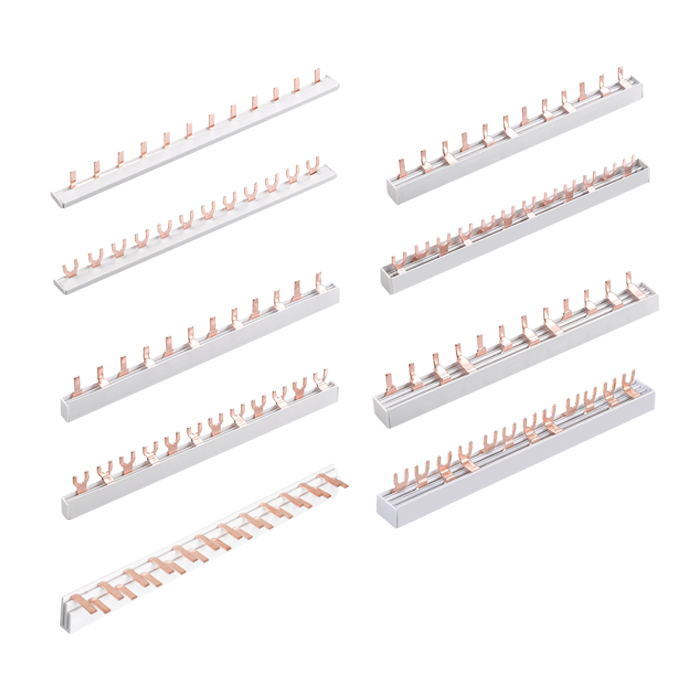
Your sales channel changes the assortment, packaging and quality priorities. Tell us the intended use as well as the product name.
Prepare modular distribution requirements with the selected overcurrent, residual, isolation, surge and indication functions.
Coordinate contactors, manual changeover, isolation, transformers, auxiliaries and busbar interfaces around the actual load and control circuit.
Develop a DC or EV-related protection brief with the exact system architecture, voltage, poles, residual-current needs and required technical evidence.
Samples, commercial terms and responsibilities are agreed for the project. Use the same product and packing specification when comparing quotations.
Product, reference image, quantity, sales market and timing.
Review configuration, materials, sample scope and relevant documents.
Agree artwork, packaging, sample, testing and inspection criteria.
Set price, payment, production, delivery and defect remedies in writing.
Practical answers about this sourcing direction, customization and the reference options. Your agreed specification and written quotation determine the actual order.
AC/DC miniature breakers, combined RCBO, residual-only RCCB, Type B and EV-related directions, arc-fault devices and surge protection can be evaluated against a defined circuit.
Check the actual notation and tests. A residual-only device may state conditional short-circuit withstand with backup protection; an RCBO has a separately stated overcurrent interruption duty. Do not treat the figures as interchangeable.
Specify the required waveform and system architecture. Type B residual protection and a separately described AC/DC EV-related device can have different detection and protection functions; approve the exact model and reports.
No. Voltage duty depends on the actual poles, connections and device construction. Provide the DC system and approve a matching wiring and rating schedule.
The changeover directions described here require the specified manual operation and contact sequence. Automatic transfer functions are a separate system requirement requiring an appropriate offered construction.
Provide device and conductor layout, pitch, phases, ratings and mounting requirements. Confirm the actual enclosure supply route and host compatibility for each auxiliary, release, lock or cover.
Request current product-specific reports and applicable destination documents for the exact device and ratings. Laboratory accreditation alone does not certify the offered product or complete installation.
Send the circuit and load, AC/DC supply, poles and protective functions, drawings, required reports and tests, quantities, marking, packing and destination. Availability, minimum quantity, sample costs and timing are confirmed in writing.
Factory Sourcing Hub handles this enquiry as an independent sourcing and trading service. The product route, supplier suitability, sample scope and order responsibilities are agreed for the actual project.
Send the product reference, quantities per variation, customization and packaging. Prices, minimums, sample charges and delivery dates are confirmed in a current quotation; the page is not a live inventory or price feed.
Yes. State whether you need a reference sample, a customized sample or development work. Agree the sample cost and shipping, approval specification, inspection plan and remedy for non-conforming goods before the bulk order.
Reference images, drawings, logo artwork and a product list are useful. Include quantities, the intended users and sales market, packaging, required documents and timing. After submitting the form, email attachments to kunhuow@gmail.com with your enquiry reference.
A reference picture or a short description is enough to begin. Add the details you already know; the optional fields help make the follow-up more useful.
Download the enquiry checklist ↓
Independent sourcing and trading service. Supplier choice, service costs and order conditions are discussed for your project.
Product selection, customization, samples and quotation enquiries.
Compare separate product ranges and prepare a brief that fits your assortment.

Source miniature circuit breakers, residual-current devices, combined overcurrent and residual protection, isolators, surge-protection enquiries and selected related electrical component directions with model-specific technical review.
Explore this service ↗
Source low-voltage and DC circuit protection, EV charging equipment, distribution boxes, motor control, sensors, meters and industrial connection products. Compare specific electrical ratings, configuration, customization and documentation for your project.
Explore this service ↗
Source circuit breakers, residual-current and arc-fault protection, surge devices, DC protection, distribution boxes, cabinets and connection accessories. Compare model-specific ratings, installation, control functions and private-label requirements for your market.
Explore this service ↗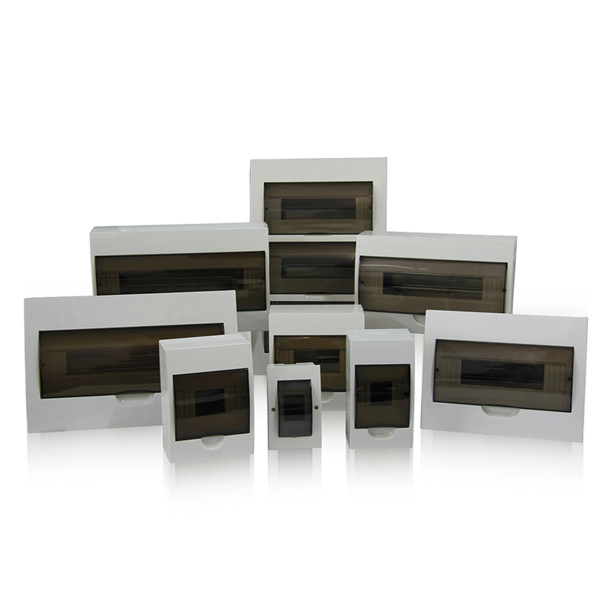
Source fixed, adjustable and electronic circuit protection, motor switching, distribution boxes and matched accessories. Compare voltage-specific fault ratings, trip settings, mounting, packaging and technical-document requirements for each product.
Explore this service ↗Information basis: published product information reviewed . Reference details support a sourcing discussion. Current supply, samples and product-specific documents are confirmed for the selected item.